Over the past few years, an increasing number of teenage girls and young women in their twenties have been diagnosed with Polycystic Ovary Syndrome (PCOS). Once considered a condition that mainly affected women in their late twenties or thirties, PCOS is now being identified much earlier, especially among Gen Z girls. This growing trend has raised an important question, why are more young women developing PCOS today?
While better awareness and improved diagnostic methods have certainly contributed to the rising numbers, changes in modern lifestyles, eating habits, stress levels, sleep patterns, and physical activity also play a significant role. The good news is that early diagnosis provides an opportunity to manage PCOS effectively and reduce its long-term impact on health and fertility.
What is PCOS?
Polycystic Ovary Syndrome (PCOS) is a common hormonal disorder that affects women during their reproductive years. It develops when the ovaries produce higher levels of androgens (male hormones), leading to hormonal imbalance and irregular ovulation.
Although PCOS is often associated with fertility problems, it can also affect the skin, hair, metabolism, emotional well-being, and overall health.
Common symptoms include: Irregular periods | Acne | Hair fall | Excess facial hair | Weight gain | Dark skin patches | Difficulty losing weight
Not every girl with PCOS experiences the same symptoms. Some may have irregular menstrual cycles, while others first notice persistent acne or unexpected weight gain.
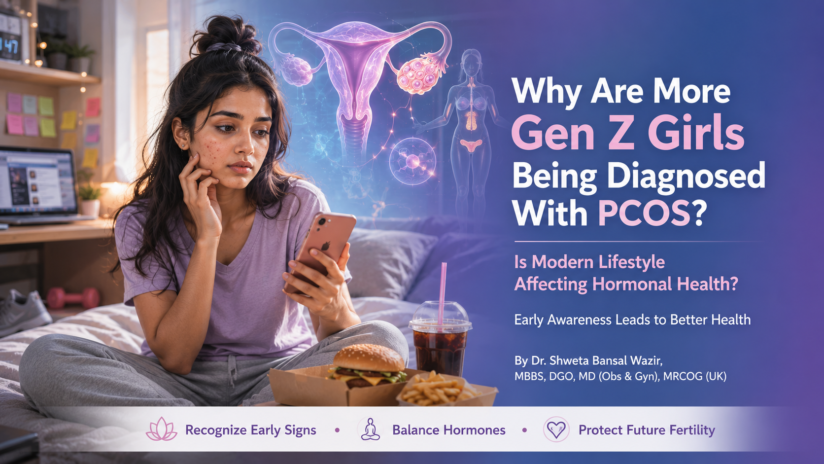
Why Are More Gen Z Girls Being Diagnosed With PCOS?
Experts believe there is no single reason behind the increasing number of PCOS cases. Instead, several lifestyle and environmental factors may contribute to the condition.
A More Sedentary Lifestyle
Today’s teenagers spend significantly more time sitting than previous generations. Long hours of online classes, studying, social media, gaming, and screen time often reduce opportunities for physical activity.
A sedentary lifestyle may contribute to weight gain, insulin resistance, and hormonal imbalance, all of which are associated with PCOS.
Unhealthy Eating Habits
Fast food, sugary drinks, processed snacks, and frequent consumption of refined carbohydrates have become a regular part of many young people’s diets.
These eating habits may lead to rapid spikes in blood sugar levels, increasing insulin production. Over time, high insulin levels can stimulate the ovaries to produce excess androgens, which may interfere with normal ovulation.
Choosing balanced meals rich in vegetables, fruits, whole grains, pulses, and protein can help support hormonal health.
Rising Stress Levels
Academic pressure, competitive careers, social media comparisons, and changing lifestyles have increased stress among many teenagers and young adults.
While stress alone does not cause PCOS, chronic stress can influence hormone regulation, sleep quality, and eating habits, which may worsen existing hormonal imbalances.
Learning healthy ways to manage stress is an important part of overall well-being.
Poor Sleep Patterns
Late-night studying, binge-watching shows, scrolling on mobile phones, and irregular sleep schedules have become increasingly common among Gen Z.
Poor sleep can affect hormones that regulate appetite, metabolism, and insulin sensitivity. Over time, inadequate sleep may contribute to weight gain and make PCOS symptoms more difficult to manage.
Maintaining a consistent sleep routine supports both hormonal and metabolic health.
Better Awareness and Earlier Diagnosis
Another reason more girls are being diagnosed is that awareness about PCOS has improved considerably.
Parents, schools, and healthcare professionals are now more likely to recognise symptoms such as irregular periods, severe acne, and excessive hair growth. Earlier medical evaluation means many cases that previously went undiagnosed are now being identified at a younger age.
This is a positive development because early treatment can help prevent future complications.
Early Signs Every Gen Z Girl Should Know
Many young women assume that irregular periods during adolescence are always normal. While menstrual cycles can take time to become regular after puberty, persistent symptoms should not be ignored.
Watch for these warning signs:
Irregular periods | Persistent acne | Excess facial hair | Hair thinning | Rapid weight gain | Dark patches on the neck or underarms | Difficulty managing weight
If these symptoms continue for several months, consulting a gynaecologist is recommended.
Does PCOS Affect Future Fertility?
One of the biggest concerns among young women diagnosed with PCOS is whether they will be able to have children in the future.
The reassuring answer is that most women with PCOS can have successful pregnancies. Although PCOS can affect ovulation and make conception more challenging, timely treatment and healthy lifestyle changes significantly improve fertility outcomes.
Being diagnosed early allows doctors to manage symptoms before they become more severe and helps protect long-term reproductive health.
How is PCOS Diagnosed?
Diagnosing PCOS involves a detailed medical evaluation rather than a single test.
Your doctor may review your menstrual history, symptoms, family history, and perform a physical examination. Blood tests may be advised to assess hormone levels and blood sugar, while a pelvic ultrasound can help evaluate the ovaries.
Since several other hormonal conditions can produce similar symptoms, accurate diagnosis is essential before starting treatment.
Can PCOS Be Managed Successfully?
Yes. Although there is currently no permanent cure for PCOS, the condition can be effectively managed with the right approach.
Treatment focuses on controlling symptoms, improving hormone balance, regulating menstrual cycles, and reducing future health risks. Depending on individual needs, your doctor may recommend lifestyle changes, nutritional guidance, medication, or other treatments.
Early intervention often leads to better long-term outcomes.
Healthy Habits That Support Hormonal Balance
Small daily changes can make a significant difference in managing PCOS and improving overall health.
Focus on:
Nutritious meals | Regular exercise | Healthy body weight | Quality sleep | Stress management | Adequate hydration
Developing these habits during the teenage years and early adulthood can help reduce symptoms and support lifelong reproductive health.
When Should You Consult a Gynaecologist?
If you have persistent acne, irregular menstrual cycles, excessive hair growth, unexplained weight gain, or hair thinning, do not assume these changes are simply part of growing up.
Seeking medical advice early allows timely diagnosis, personalised treatment, and ongoing support. Early management can improve hormonal health, protect fertility, and reduce the risk of future complications such as diabetes and high blood pressure.
Conclusion
The rise in PCOS among Gen Z girls reflects a combination of greater awareness and changing lifestyles. While factors such as poor diet, inactivity, stress, and irregular sleep may contribute to hormonal imbalance, early diagnosis offers an excellent opportunity to manage the condition effectively.
If you or your daughter are experiencing symptoms suggestive of PCOS, do not ignore them. A timely consultation with an experienced gynaecologist can help identify the cause, provide appropriate treatment, and support long-term health and well-being.
Book Your Consultation
Dr. Shweta Bansal Wazir
Consultant Obstetrician & Gynaecologist
Call: +91 84481 28007



Leave A Comment