Understanding the Hidden Impact of Digital Devices on Adolescent Hormonal Health
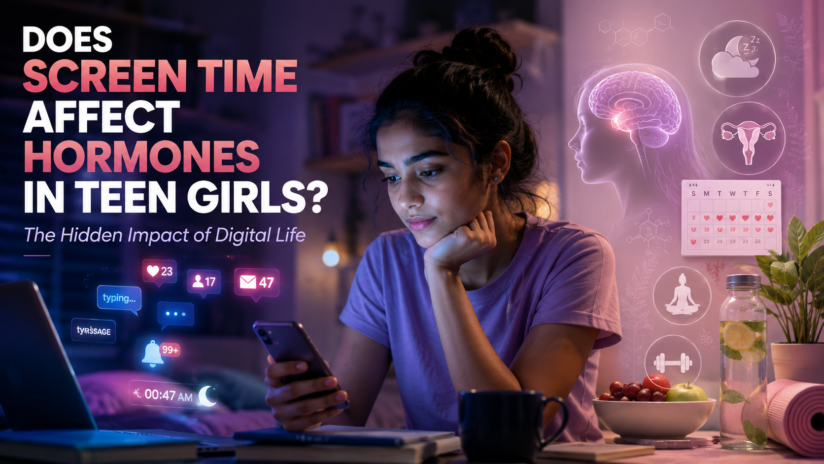
In today’s digital era, smartphones, tablets, laptops, and televisions have become an inseparable part of everyday life. From online education and social networking to entertainment and gaming, teenagers spend a significant portion of their day in front of screens. While technology offers numerous advantages, growing medical evidence suggests that excessive screen time may influence hormonal balance, particularly in adolescent girls.
Parents across India are increasingly concerned about irregular periods, mood swings, sleep disturbances, weight gain, and early puberty in their daughters. Many wonder whether prolonged exposure to screens could be contributing to these health concerns. Understanding the relationship between screen time and hormonal health is essential for safeguarding the well-being of teenage girls during one of the most critical phases of development.
What Are Hormones and Why Are They Important During the Teenage Years?
Hormones are chemical messengers produced by glands in the endocrine system. They regulate numerous bodily functions, including:
- Growth and development
- Menstrual cycles
- Sleep patterns
- Metabolism
- Emotional health
- Reproductive health
During adolescence, a girl’s body undergoes significant hormonal changes. The brain, ovaries, thyroid gland, and adrenal glands work together to establish regular menstrual cycles and support physical and emotional development.
Any factor that disrupts this delicate hormonal balance can potentially affect overall health and reproductive well-being.
How Excessive Screen Time May Affect Hormones in Teen Girls
Medical research has identified several ways in which prolonged screen exposure may influence hormonal regulation.
Screen Time and Melatonin Production
Melatonin is commonly known as the “sleep hormone.” It is produced by the pineal gland and helps regulate the body’s natural sleep-wake cycle.
Electronic devices emit blue light, which can suppress melatonin production, especially when screens are used late at night. Reduced melatonin levels can lead to:
- Difficulty falling asleep
- Poor sleep quality
- Daytime fatigue
- Mood disturbances
Studies published in reputable medical journals have shown that disrupted sleep patterns can indirectly affect reproductive hormones and menstrual regularity.
Impact on Cortisol Levels and Stress Hormones
Excessive social media use, online gaming, academic pressure, and constant digital engagement can increase psychological stress in teenagers.
When stress levels rise, the body produces higher amounts of cortisol, often referred to as the “stress hormone.”
Persistently elevated cortisol levels may contribute to:
- Anxiety
- Irritability
- Mood swings
- Hormonal imbalances
- Menstrual irregularities
Teen girls experiencing chronic stress may notice changes in their menstrual cycles, including delayed periods or missed periods.
Can Screen Time Affect Menstrual Cycles?
Emerging evidence suggests that excessive screen exposure may contribute to menstrual irregularities, although it is usually one of several influencing factors.
Teen girls who spend long hours on screens often experience:
- Reduced physical activity
- Poor sleep habits
- Increased stress
- Unhealthy eating patterns
These lifestyle factors can interfere with the hormonal communication between the brain and ovaries, potentially affecting menstrual health.
Common menstrual symptoms that may be associated with unhealthy lifestyle habits include:
- Irregular periods
- Painful menstruation
- Heavy bleeding
- Delayed menstrual cycles
While screen time alone may not directly cause these issues, it can significantly contribute to underlying lifestyle imbalances.
Screen Time, Weight Gain, and Hormonal Health
One of the most noticeable consequences of excessive screen use is a sedentary lifestyle.
Teenagers who spend several hours each day using digital devices may engage in less physical activity and consume more processed snacks and sugary beverages.
Weight gain can influence hormones responsible for reproductive health. Excess body fat may alter estrogen levels and increase the risk of conditions such as:
- Insulin resistance
- Polycystic Ovary Syndrome (PCOS)
- Menstrual irregularities
PCOS is becoming increasingly common among Indian adolescents and young women. Lifestyle factors, including physical inactivity and poor sleep patterns, play an important role in its development.
Does Screen Time Contribute to Early Puberty?
Researchers are actively studying the relationship between screen exposure and earlier onset of puberty.
Several theories suggest that:
- Reduced sleep may influence hormonal signals involved in puberty.
- Increased body weight may accelerate pubertal development.
- Altered melatonin levels may affect reproductive hormone regulation.
Although more research is needed, experts recommend maintaining healthy screen habits to support normal growth and development.
Mental Health, Social Media, and Hormonal Balance
Adolescence is a period of emotional vulnerability. Social media platforms can expose teenagers to unrealistic beauty standards, peer pressure, cyberbullying, and social comparison.
These experiences may contribute to:
- Anxiety
- Depression
- Low self-esteem
- Chronic stress
Mental health and hormonal health are closely connected. Increased stress can disrupt the hypothalamic-pituitary-ovarian axis, a critical hormonal pathway responsible for regulating menstrual cycles and reproductive function.
Supporting emotional well-being is therefore an essential component of hormonal health.
Warning Signs Parents Should Not Ignore
Parents should seek medical guidance if their teenage daughter experiences:
- Periods that remain irregular more than two years after menarche
- Missed menstrual cycles
- Excessive acne
- Rapid weight gain
- Unusual hair growth on the face or body
- Persistent fatigue
- Difficulty sleeping
- Significant mood changes
Early evaluation can help identify hormonal disorders and prevent long-term complications.
Healthy Screen Habits for Teen Girls
Creating a balanced relationship with technology can significantly support hormonal and overall health.
Follow the 20-20-20 Rule
Every 20 minutes, look at something 20 feet away for 20 seconds to reduce eye strain.
Establish Screen-Free Bedtime Routines
Avoid phones, tablets, and laptops at least one hour before sleep.
Encourage Daily Physical Activity
Teen girls should aim for at least 60 minutes of moderate physical activity each day.
Promote Balanced Nutrition
A diet rich in:
- Fruits
- Vegetables
- Whole grains
- Protein-rich foods
- Healthy fats
supports hormonal stability and reproductive health.
Prioritize Sleep
Most teenagers require 8–10 hours of quality sleep every night.
Monitor Social Media Usage
Encourage healthy online behavior and open communication about digital experiences.
When to Consult a Gynecologist
Hormonal changes are a normal part of adolescence, but persistent symptoms should never be ignored. A qualified gynecologist can evaluate menstrual concerns, identify hormonal disorders, and provide personalized guidance for healthy development.
Professional assessment is particularly important when symptoms affect daily life, academic performance, emotional health, or reproductive well-being.
Conclusion
Technology is an important part of modern life, but excessive screen time may indirectly affect hormonal health in teen girls through its impact on sleep, stress levels, physical activity, weight management, and emotional well-being. Maintaining balanced digital habits, encouraging regular exercise, ensuring adequate sleep, and promoting healthy nutrition can help support normal hormonal development during adolescence.
Parents and teenagers should remember that hormonal health is influenced by multiple factors, and early awareness can play a vital role in preventing future complications. By adopting healthier lifestyle habits today, young girls can build a stronger foundation for lifelong reproductive and overall health.
Expert Women’s Health Care in Gurgaon
If your daughter is experiencing irregular periods, hormonal concerns, PCOS symptoms, or adolescent gynecological issues, consult Dr. Shweta Bansal Wazir, an experienced Obstetrician and Gynecologist dedicated to providing compassionate and evidence-based care for girls and women of all ages.
Website: www.drshwetawazir.com
Phone: +91 84481 28007
Early guidance can make a significant difference in maintaining healthy hormonal balance and supporting long-term well-being.



Leave A Comment