The Silent Epidemic: Understanding Postpartum Depression in India
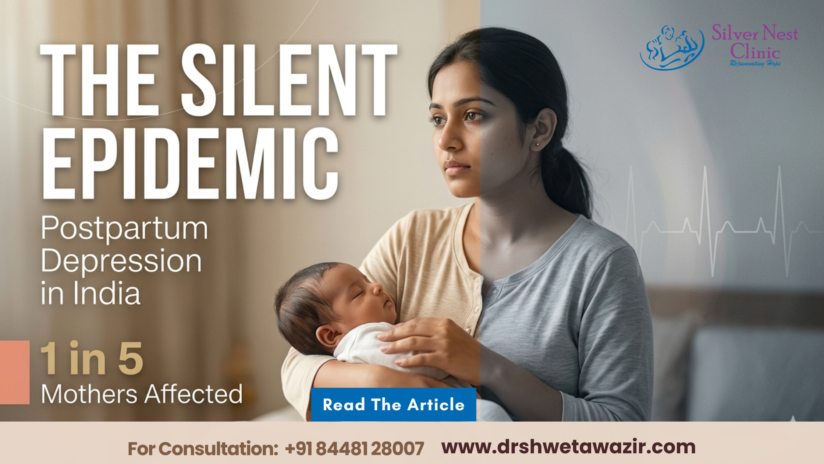
India, a country that sees over 25 million births annually, is facing a silent mental health crisis. The reported prevalence of postpartum depression in India varies, but systematic reviews and meta-analyses have estimated a pooled prevalence of around 22%. This means that for every five newborns who enter the world, one new mother is likely grappling with this debilitating condition. This rate is alarmingly high, especially when compared to the global average of 10-15%.
Despite its prevalence, a staggering number of cases go undiagnosed and untreated. Cultural stigma, lack of awareness among healthcare providers, and insufficient mental health infrastructure are primary drivers of this treatment gap. Studies have shown that only a fraction of healthcare workers feel confident in identifying PPD symptoms, leaving countless mothers to suffer in silence.
Distinguishing the ‘Baby Blues’ from Clinical Postpartum Depression
It is essential to differentiate between the transient ‘baby blues’ and the more severe and enduring condition of postpartum depression. The ‘baby blues’ are a common, temporary emotional disturbance affecting 60-80% of new mothers. Characterized by mood swings, tearfulness, anxiety, and irritability, these symptoms typically appear within a few days of delivery and resolve spontaneously within one to two weeks.
In contrast, PPD is a more profound and persistent form of depression. Its onset can occur within four weeks to a year following childbirth. It is not a fleeting feeling of sadness but a pervasive state that interferes with daily functioning. Recognizing this distinction is the first critical step toward seeking appropriate help.
The Invisible Burden: Why 22% of Indian Mothers Suffer in Silence
The high prevalence of PPD in India is inextricably linked to a complex web of sociocultural factors. Deep-rooted societal norms, including a persistent preference for male children, can place immense psychological strain on mothers, especially those who give birth to daughters. Domestic violence, poverty, and lack of autonomy over pregnancy decisions further exacerbate the risk of perinatal mental health disorders.
A major barrier to care is the profound stigma associated with mental illness. In a culture where motherhood is idealized as a period of unalloyed joy, admitting to feelings of sadness, worthlessness, or anger can be a source of deep shame. This societal pressure forces many women to conceal their suffering, fearing they will be perceived as “bad mothers” or failures.
Recognising the Signs: A Clinical Perspective on Postpartum Depression Symptoms
Postpartum depression manifests through a range of emotional, cognitive, and physical symptoms. These are not signs of weakness but indicators of a treatable medical condition. Key symptoms include:
- Persistent Sadness & Hopelessness: A continuous low mood, feelings of emptiness, and a sense of hopelessness about the future.
- Loss of Interest (Anhedonia): A marked disinterest in activities that were once enjoyable, including a lack of pleasure in bonding with the newborn.
- Excessive Fatigue & Sleep Disturbances: Feeling overwhelmingly tired and lethargic, or experiencing insomnia even when the baby is asleep.
- Changes in Appetite: A significant decrease or increase in appetite, often leading to weight changes.
- Cognitive Difficulties: Trouble concentrating, making decisions, or remembering things.
- Feelings of Worthlessness & Guilt: Intense and irrational feelings of guilt, worthlessness, and a crushing sense of inadequacy as a mother.
- Anxiety & Intrusive Thoughts: Severe anxiety, panic attacks, and distressing, unwanted thoughts about harm coming to the baby.
In its most severe form, PPD can lead to suicidal ideation or thoughts of harming the infant. These symptoms are a psychiatric emergency and require immediate medical intervention.
Risk Factors and Vulnerabilities Specific to the Indian Context
Research has identified several key risk factors that elevate a woman’s vulnerability to PPD. In the Indian context, these include:
- Lack of Social Support: A consistent finding across studies is that a lack of emotional and practical support from a partner and family is a significant predictor of PPD.
- Low Socioeconomic Status: Poverty and financial strain create chronic stress, which is a major risk factor for depression.
- History of Mental Illness: A personal or family history of depression, anxiety, or other mental health disorders substantially increases the risk.
- Obstetric Complications: Traumatic birth experiences, complications during delivery, and emergency cesarean sections are associated with a higher likelihood of developing PPD.
- Unplanned Pregnancy: Pregnancies that are unwanted or unplanned can be a source of significant emotional distress.
Bridging the Chasm: Evidence-Based Management and the Path to Recovery
The good news is that PPD is highly treatable. Early identification and access to appropriate care can lead to a full recovery. The standard of care involves a combination of psychological, social, and, when necessary, medical interventions.
- Screening: Routine use of validated screening tools, such as the Edinburgh Postnatal Depression Scale (EPDS), is recommended for all postpartum women in primary care settings. This tool is psychometrically valid for use across diverse Indian populations.
- Psychological Interventions: Psychotherapy, particularly Cognitive Behavioral Therapy (CBT) and interpersonal therapy, is highly effective in treating PPD. These therapies help women reframe negative thought patterns, develop coping strategies, and improve their relationships.
- Social Support: Peer support groups and community-based interventions are invaluable. They help reduce isolation, normalize the experience, and provide practical and emotional assistance.
- Medication: For moderate to severe depression, antidepressant medications, which are generally considered safe during breastfeeding, can be prescribed by a psychiatrist.
A Call to Action: Prioritising Perinatal Mental Health in India
Addressing the silent epidemic of PPD in India requires a multi-pronged approach. First, healthcare systems must integrate mental health screening into routine antenatal and postnatal care. Training healthcare workers, especially nurses and midwives, to identify and manage PPD is critical.
Second, public health campaigns are needed to dismantle the pervasive stigma surrounding mental illness. Normalizing conversations about PPD, educating families, and reassuring mothers that they are not alone are essential steps.
Conclusion: You Are Not Alone Help Is Within Reach
The “4th trimester” can be an unexpectedly challenging time. If you or someone you love is struggling, please remember that postpartum depression is not a character flaw or a sign of weakness. It is a medical condition, and it is treatable. Breaking the silence is the first step toward healing. Help is available. For compassionate, expert guidance and support, please do not hesitate to reach out to a professional. You are not alone. Call +91 84481 28007 today for a consultation and take the first step on your journey to recovery.



Leave A Comment