
Best Gynecologist Clinic in Gurgaon



May 2, 2026
Summer Diet for Pregnant Women: Best Fruits, What to Avoid & ORS/Electrolyte Safety Guide
The summer season in India brings not only soaring temperatures but also unique physiological challenges, particularly for expectant mothers. While Ayurveda speaks of the body’s natural heat (pitta) rising during this time, modern medical science confirms that pregnancy itself raises the core body temperature. When combined with external heat, the risk of dehydration, heat exhaustion, and electrolyte imbalance increases significantly. The good news is that with a mindful approach to diet and hydration, these risks can be elegantly managed, allowing you to enjoy your journey into motherhood with vitality and grace.
Why Summer Poses a Unique Challenge During Pregnancy
Pregnancy triggers profound physiological changes, including a 50% increase in blood volume to support the growing foetus. Total body water expands substantially during gestation, reflecting coordinated cardiovascular, renal, and endocrine adaptations required for maternal metabolism and fetal growth. This places a greater demand on fluid balance. Rising ambient temperatures further accelerate fluid loss through perspiration, increasing susceptibility to dehydration.
Scientific studies indicate that pregnant women are particularly vulnerable to extreme heat exposure, which has been linked to complications including preterm birth, low birth weight, stillbirth, and pre-eclampsia. Dehydration can reduce placental blood flow and trigger an inflammatory response that may precipitate premature labour. Furthermore, research suggests that maternal dehydration is more prevalent during summer months, increasing the risk of oligohydramnios (low amniotic fluid), which can affect foetal well-being. Understanding these underlying mechanisms is essential for appreciating why summer nutrition and hydration deserve special attention.
Best Fruits for Pregnancy in Summer
Incorporating seasonal, water-rich fruits into your daily diet is one of the most delightful and effective strategies for staying cool and nourished. The Indian Council of Medical Research (ICMR) recommends a daily intake of 100 grams of fruits as part of a balanced pregnancy diet, and summer offers an abundant harvest of nutrient-dense options.
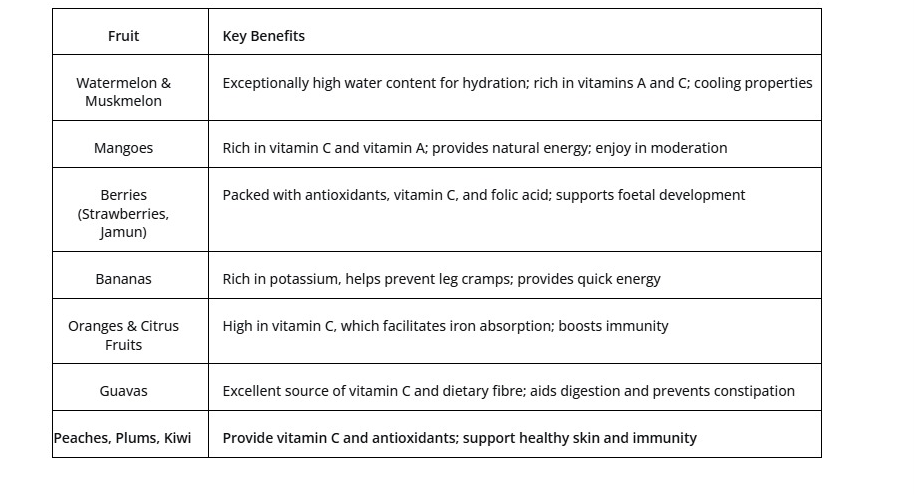
Expert guidelines suggest that two to three fruit portions per day are optimal during pregnancy. To enhance iron absorption, pair iron-rich foods with vitamin C-rich fruits such as oranges or amla.
What to Avoid in Summer Pregnancy Diet
Equally important as knowing what to eat is understanding which foods and practices to avoid during the summer months. Food-borne illnesses pose a heightened risk during pregnancy due to natural immunosuppression.
Foods to Steer Clear Of
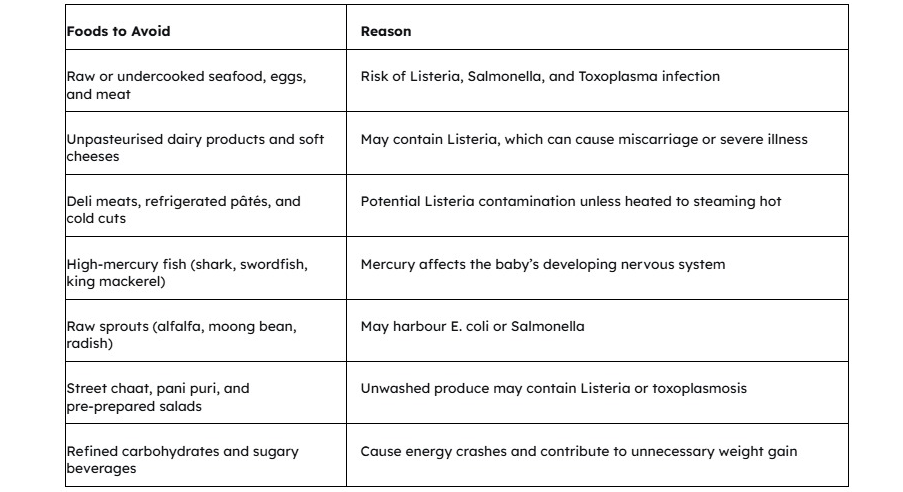
Pregnant women should also be cautious with unpasteurised juices, which may contain E. coli, and store-bought salads, where unwashed vegetables can pose a risk of listeriosis. Caffeine intake should be limited to 200 mg per day (approximately one cup of coffee), as higher amounts are associated with an increased risk of pregnancy loss and low birth weight. Alcohol must be completely avoided during pregnancy.
Fruits to Consume with Caution
While most seasonal fruits are beneficial, women with gestational diabetes should consult their physician regarding portions of sugar-rich fruits such as mangoes, grapes, bananas, and chikoo.
ORS & Electrolyte Safety Guide
Oral Rehydration Solution (ORS) is a simple yet life-saving formulation of sugar, salt, and water that helps the body absorb fluids more efficiently. It plays a critical role in correcting dehydration, particularly during episodes of vomiting or diarrhoea, which can be more common in summer.
Is ORS Safe During Pregnancy?
Yes, ORS is considered safe for use during pregnancy. The solution restores essential electrolytes lost through sweating and helps maintain the delicate mineral balance required for normal cellular function. The World Health Organisation endorses ORS as a safe and effective method for rehydration, with no known contraindications in pregnancy.
How to Prepare Homemade ORS (WHO Standard Method)
In situations where commercial ORS packets are unavailable, a doctor-approved homemade alternative can be prepared using the following precise measurements:
- 1 litre of filtered or boiled and cooled clean drinking water
- 6 level teaspoons of sugar
- ½ level teaspoon of salt
Mix all ingredients thoroughly in a clean vessel until fully dissolved. The solution should taste slightly sweet, neither too salty nor overly sugary.
Important Precautions
- Use only clean, sterilised utensils and safe drinking water
- Do not add lemon, soda, or any other ingredients—only sugar, salt, and water
- Discard any unused ORS solution after 24 hours
- If symptoms worsen despite ORS administration, seek immediate medical attention
Practical Summer Tips for the Expecting Mother
Beyond diet and hydration, several lifestyle practices can enhance your comfort and safety during the summer months.
- Prioritise Strategic Hydration: Do not wait until you feel thirsty to drink water. Keep a water bottle nearby and sip fluids regularly throughout the day. Pregnant women should aim for 8 to 12 glasses of water daily, increasing this amount in hot weather.
- Stay Indoors During Peak Hours: Avoid direct sunlight between 11 a.m. and 3 p.m., when UV radiation is most intense. Prolonged exposure can reduce the efficacy of folic acid.
- Choose Light, Frequent Meals: Summer heat can suppress appetite. Eating small, nutrient-dense meals every two to three hours helps maintain stable blood sugar levels and prevents nausea.
- Embrace Naturally Cooling Beverages: Incorporate coconut water, buttermilk (chaas), and lemon water into your daily routine. These traditional Indian drinks provide electrolytes and aid digestion.
- Dress Comfortably: Wear loose, breathable cotton or linen clothing in light colours to regulate body temperature and prevent overheating.
When to Seek Medical Attention
While mild dehydration can often be corrected at home, certain warning signs warrant urgent medical evaluation:
- Persistent vomiting with inability to keep fluids down
- Severe dizziness, confusion, or fainting
- Decreased foetal movements
- Contractions or abdominal pain
- Dark-coloured urine with significantly reduced frequency
If you experience any of these symptoms, please contact your healthcare provider without delay.
Closing Note from Dr. Shweta Wazir
Summer pregnancies in India can be navigated safely and comfortably with mindful eating, adequate hydration, and timely medical guidance. By incorporating nature’s bounty of seasonal fruits, avoiding high-risk foods, and utilising ORS appropriately when needed, you can protect both your well-being and that of your growing baby. For personalised advice or to schedule a consultation, please reach out.
Dr. Shweta Wazir
📞 +91 84481 28007
www.drshwetawazir.com
Leave A Comment