By Dr. Shweta Bansal Wazir, MBBS, DGO, MD (Obs & Gyn), MRCOG (UK)
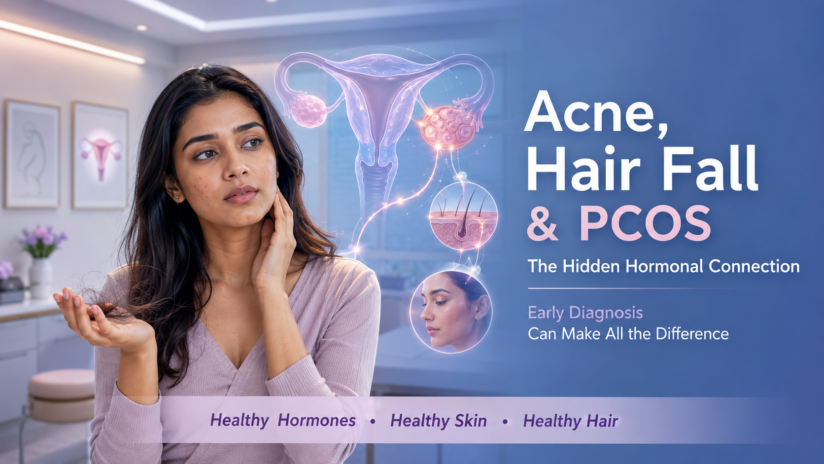
Have you been struggling with persistent acne, excessive hair fall, or both despite trying different skincare products and hair treatments? While these concerns are often blamed on stress, pollution, or poor nutrition, they may actually be signs of an underlying hormonal condition known as Polycystic Ovary Syndrome (PCOS).
PCOS is one of the most common hormonal disorders affecting women of reproductive age, and its impact extends far beyond irregular periods. Many Indian women first notice stubborn acne, thinning hair, or unwanted facial hair before they experience menstrual irregularities. Recognising these early warning signs can help ensure timely diagnosis and effective treatment.
The encouraging news is that acne and hair fall caused by PCOS can often be managed successfully with the right combination of lifestyle changes, hormonal treatment when needed, and expert medical care.
What is PCOS?
Polycystic Ovary Syndrome (PCOS) is a hormonal disorder that affects the normal functioning of the ovaries. Women with PCOS often have higher levels of androgens, commonly known as male hormones. These hormones interfere with ovulation and can lead to a variety of symptoms affecting the skin, scalp, weight, and reproductive health.
PCOS affects every woman differently. Some may have irregular periods, while others may primarily experience acne, hair fall, or difficulty conceiving.
Common symptoms include: Irregular periods | Acne | Hair fall | Excess facial hair | Weight gain | Difficulty losing weight | Dark skin patches | Fertility concerns
Why Does PCOS Cause Acne?
Acne is one of the earliest and most common signs of PCOS, particularly among teenagers and young women. Unlike occasional pimples, PCOS-related acne is usually persistent, recurring, and often resistant to regular skincare products.
The main reason behind this is increased androgen levels. These hormones stimulate the skin’s oil glands to produce excess sebum. When excess oil combines with dead skin cells and bacteria, pores become blocked, leading to inflamed pimples and acne.
PCOS acne commonly appears on the:
Face | Jawline | Chin | Neck | Upper back | Chest
Women may notice painful cystic acne around the jawline that tends to worsen before their menstrual periods.
Why Does PCOS Cause Hair Fall?
Hair fall in PCOS is also linked to hormonal imbalance. Elevated androgen levels gradually shrink the hair follicles on the scalp, causing hair to become thinner over time. This condition is known as female pattern hair loss.
Unlike normal hair shedding, PCOS-related hair loss often develops slowly. Women may notice that their hair parting becomes wider, the hair feels less dense, or more strands fall out while combing or washing.
At the same time, increased androgen levels may cause unwanted hair growth on the face, chin, upper lip, chest, or abdomen. This combination of scalp hair thinning and excess body hair is a common feature of PCOS.
Other Signs You Should Not Ignore
Acne and hair fall rarely occur alone in PCOS. Many women also experience changes in their menstrual cycle and metabolism due to hormonal imbalance.
Watch for these symptoms if they occur along with acne or hair loss:
Irregular periods | Missed periods | Weight gain | Excess facial hair | Oily skin | Dark patches around the neck or underarms | Difficulty conceiving
If these symptoms persist, consulting a gynaecologist can help identify the underlying cause and prevent long-term complications.
How is PCOS Diagnosed?
There is no single test that confirms PCOS. Your doctor will evaluate your symptoms, menstrual history, and overall health before recommending appropriate investigations.
Diagnosis may include a physical examination, hormone testing, blood sugar assessment, and a pelvic ultrasound to evaluate the ovaries. Since thyroid disorders and other hormonal conditions can produce similar symptoms, additional tests may also be advised to ensure an accurate diagnosis.
Early diagnosis allows treatment to begin before symptoms become more severe.
Can Acne and Hair Fall Be Treated?
Yes. In most cases, acne and hair fall caused by PCOS improve once the underlying hormonal imbalance is managed. Treatment is personalised according to your age, symptoms, pregnancy plans, and overall health.
Your doctor may recommend lifestyle changes, weight management, medicines to regulate hormones or improve insulin sensitivity, and dermatological treatments for acne or hair loss when required.
Patience is important because hormonal treatments usually take several months before noticeable improvements appear.
Lifestyle Changes That Make a Difference
Healthy lifestyle habits form the foundation of PCOS management. Even small improvements in daily routine can help regulate hormones and reduce symptoms over time.
Focus on:
Balanced diet | Regular exercise | Healthy weight | Adequate sleep | Stress management | Good hydration
For overweight women, losing even a small percentage of body weight may improve hormone balance and reduce acne and hair fall.
Best Diet for Indian Women with PCOS
A nutritious diet plays an important role in controlling insulin resistance and maintaining hormonal balance.
Choose foods such as whole grains, pulses, fresh vegetables, seasonal fruits, low-fat dairy products, nuts, seeds, and protein-rich meals. These foods help maintain stable blood sugar levels and support overall health.
Try to limit sugary beverages, refined flour products, packaged snacks, fried foods, and highly processed meals, as they may worsen insulin resistance and inflammation.
Remember, there is no single “PCOS diet.” A sustainable, balanced eating pattern that suits your lifestyle is the most effective long-term approach.
When Should You Consult a Gynaecologist?
Many women delay seeking medical advice because they believe acne and hair fall are only cosmetic problems. However, when these symptoms occur alongside irregular periods or weight changes, they may indicate an underlying hormonal disorder that requires treatment.
You should consult a gynaecologist if you experience persistent acne, excessive hair fall, irregular menstrual cycles, unwanted facial hair, difficulty conceiving, or sudden changes in your menstrual pattern.
Early diagnosis and timely treatment can improve your skin, protect your hair, regulate your menstrual cycle, and support your future fertility.
Conclusion
Acne and hair fall can affect self-confidence, but they may also provide valuable clues about your hormonal health. If these symptoms are caused by PCOS, treating the underlying condition is far more effective than relying only on cosmetic products.
With early diagnosis, healthy lifestyle changes, and expert medical care, most women can successfully manage PCOS and enjoy healthier skin, stronger hair, and improved reproductive health.
If you are experiencing persistent acne, excessive hair fall, or irregular periods, do not ignore these signs. Seeking professional medical advice can help you understand the cause and begin the right treatment at the right time.
Book Your Consultation
Dr. Shweta Bansal Wazir
Consultant Obstetrician & Gynaecologist
Website: https://www.drshwetawazir.com/
Call: +91 84481 28007



Leave A Comment