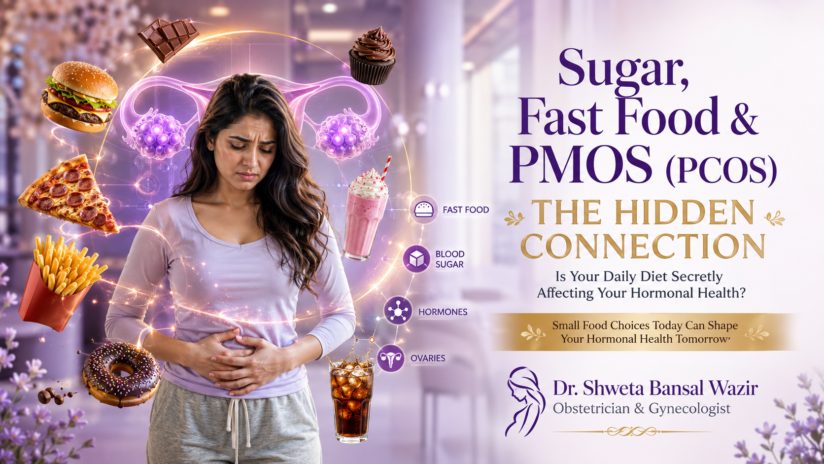
Is Your Daily Diet Secretly Affecting Your Hormonal Health?
Modern lifestyles have transformed the eating habits of millions of Indian women. Sugary beverages, packaged snacks, fast food, desserts, and processed meals have become a routine part of daily life. While these foods may offer convenience and taste, excessive consumption can silently affect hormonal balance, increasing the risk of Polycystic Ovary Syndrome (PCOS) often mistakenly referred to as PMOS.
PCOS is one of the most common hormonal disorders affecting women of reproductive age in India. According to medical research, approximately 8% to 20% of women worldwide are affected by PCOS, depending on the diagnostic criteria used. Many women remain undiagnosed for years because symptoms often develop gradually.
Understanding the relationship between sugar, unhealthy eating habits, and PCOS can help women take proactive steps toward protecting their reproductive health, metabolism, and overall well-being.
What is PCOS (Often Called PMOS)?
Polycystic Ovary Syndrome (PCOS) is a hormonal and metabolic disorder in which the ovaries produce higher-than-normal levels of male hormones (androgens). This hormonal imbalance interferes with normal ovulation and affects several body systems.
Contrary to popular belief, PCOS is not simply an ovarian disease. It is a condition involving hormones, insulin metabolism, body weight, and inflammation.
Common Symptoms of PCOS
Women with PCOS may experience:
- Irregular or missed menstrual periods
- Difficulty conceiving due to irregular ovulation
- Excess facial or body hair
- Persistent acne
- Weight gain, especially around the abdomen
- Hair thinning or excessive hair fall
- Dark patches around the neck or underarms
- Fatigue
- Mood changes
Not every woman experiences all these symptoms, making early medical evaluation extremely important.
Sugar and PCOS: Why Excess Sugar Can Trigger Hormonal Imbalance
One of the strongest links between diet and PCOS is insulin resistance.
When we consume foods rich in refined sugar or simple carbohydrates, blood sugar levels rise rapidly. The pancreas releases insulin to move glucose into the body’s cells.
However, frequent intake of sugary foods can gradually make body cells less responsive to insulin. This condition is known as insulin resistance.
As insulin levels remain consistently high, they stimulate the ovaries to produce more androgens (male hormones), disrupting the normal menstrual cycle and ovulation.
High-Sugar Foods That May Increase the Risk
Indian diets often include foods that can quickly elevate blood sugar when consumed excessively.
Examples include:
Soft drinks | Sweetened fruit juices | Packaged desserts | Chocolates | Cakes and pastries | White bread
Refined flour products | Sweet breakfast cereals | Sugary tea and coffee | Ice cream
Occasional treats are generally acceptable, but regular consumption may contribute to hormonal imbalance over time.
Fast Food and PCOS: More Than Just Weight Gain
Fast food is usually rich in:
Refined carbohydrates | Saturated fats | Trans fats | Added sugars | Sodium | Artificial additives
These foods are typically low in fibre, vitamins, minerals, and antioxidants.
Regular consumption can promote:
Weight gain | Chronic low-grade inflammation | Insulin resistance | Increased androgen production | Poor metabolic health
Medical studies have shown that women with PCOS frequently have higher levels of inflammation compared with women without the condition.
How Weight Gain Makes PCOS Worse
Not every woman with PCOS is overweight. However, excess body weight—especially around the abdomen, can worsen hormonal imbalance.
Extra body fat contributes to:
- Increased insulin resistance
- Higher androgen production
- Irregular ovulation
- Poor egg quality
- Greater difficulty losing weight
Even a 5–10% reduction in body weight has been shown to improve menstrual regularity, insulin sensitivity, and fertility in many women with PCOS.
Why Indian Women Are Increasingly Affected by PCOS
India has witnessed a significant rise in PCOS cases over the past decade.
Several lifestyle factors contribute to this trend:
Sedentary Lifestyle
Many women spend long hours working on computers, studying, or managing household responsibilities with limited physical activity.
Increased Consumption of Processed Foods
Packaged snacks, instant noodles, sugary beverages, bakery products, and restaurant meals have become increasingly common.
Sleep Disturbances
Late-night screen use, irregular sleep schedules, and poor-quality sleep can disturb hormone regulation.
Stress
Work pressure, academic stress, family responsibilities, and emotional stress can influence hormonal health.
Genetic Predisposition
Women with a family history of PCOS, diabetes, or obesity have a higher risk of developing the condition.
Foods That Support Hormonal Balance in PCOS
Healthy eating does not mean following strict or restrictive diets.
Instead, focus on balanced nutrition that supports hormone regulation.
Include More Whole Foods
Choose:
Fresh vegetables | Seasonal fruits in moderation | Whole grains | Millets | Brown rice | Oats | Lentils | Beans | Chickpeas | Healthy fats | Lean protein
Choose High-Fibre Foods
Fibre slows glucose absorption and improves insulin response.
Good options include:
Green leafy vegetables | Apples | Pears | Whole wheat | Barley | Flaxseeds | Chia seeds
Prioritise Protein
Protein helps control hunger and stabilises blood sugar.
Healthy choices include:
Eggs | Paneer | Tofu | Fish | Chicken | Dal | Greek yogurt
Lifestyle Changes That Can Improve PCOS Naturally
Medical treatment is important for many women, but lifestyle modification remains the foundation of PCOS management.
Exercise Regularly
Aim for at least 150 minutes of moderate physical activity every week.
Activities may include:
Brisk walking | Cycling | Swimming | Yoga | Strength training
Maintain Healthy Sleep
Adults should aim for approximately 7–9 hours of quality sleep every night.
Reduce Stress
Helpful techniques include:
Meditation | Deep breathing | Yoga | Mindfulness | Spending time outdoors
Stay Hydrated
Adequate water intake supports overall metabolic health.
Avoid Crash Diets
Extremely restrictive diets can worsen hormonal imbalance and are difficult to maintain.
When Should You Consult a Gynecologist?
Many women ignore symptoms for months or even years.
Seek medical advice if you experience:
- Irregular periods for more than three months
- Excess facial hair growth
- Persistent acne
- Unexplained weight gain
- Difficulty conceiving
- Hair thinning
- Dark skin patches around the neck or underarms
Early diagnosis allows timely treatment and reduces long-term health risks.
Can PCOS Be Cured?
Currently, there is no permanent cure for PCOS.
However, it can be effectively managed through:
- Healthy eating
- Regular exercise
- Weight management
- Stress reduction
- Adequate sleep
- Appropriate medications when required
- Regular follow-up with a gynecologist
Many women with PCOS go on to have regular menstrual cycles, improved hormonal balance, healthy pregnancies, and a better quality of life with consistent management.
Why Choose Dr. Shweta Bansal Wazir for PCOS Management?
PCOS is a complex condition that requires individualized care rather than a one-size-fits-all approach.
Dr. Shweta Bansal Wazir, MBBS, DGO, MD (Obs & Gyn), MRCOG (UK) provides comprehensive evaluation and personalized treatment plans focused on identifying the underlying causes of hormonal imbalance. Every patient receives guidance on lifestyle modification, nutritional counselling, menstrual health, fertility planning, weight management, and evidence-based medical treatment tailored to her unique needs.
The goal is not only to manage symptoms but also to improve long-term reproductive, metabolic, and overall health through compassionate and patient-centered care.
For consultation and personalized guidance, contact:
Dr. Shweta Bansal Wazir
📞 +91 84481 28007
🌐 Website: https://www.drshwetawazir.com/
Conclusion
The connection between sugar, fast food, and PCOS is supported by growing scientific evidence. While enjoying occasional treats is part of a balanced lifestyle, regularly consuming sugary and highly processed foods may contribute to insulin resistance, hormonal imbalance, and worsening PCOS symptoms.
The encouraging news is that small, consistent lifestyle changes can make a significant difference. Choosing nutritious meals, staying physically active, managing stress, and seeking timely medical care can help Indian women take control of their hormonal health and reduce the long-term impact of PCOS.
Early awareness, informed food choices, and expert medical guidance remain the strongest tools in preventing complications and leading a healthier, more confident life.



Leave A Comment