
Best Gynecologist Clinic in Gurgaon


October 2, 2025
After the spiritual and physical rigour of Navratri fasting, it is vital to restore balance, especially for Indian women who may also be caring for infants or expecting. This period of post-Navratri recovery is about nurturing your digestion, ensuring proper hydration, prioritizing adequate rest, and reinforcing mother-baby immunity in the festive season.
1. Understanding the Need for Post-Navratri Recovery
Fasting during Navratri often involves dietary restrictions or altered meal patterns, which put strain on the digestive system and body’s reserves. When the fast ends, your body needs gentle nourishment, hydration, and rest to regain balance.
Simultaneously, the festive season brings greater exposure to infections, changes in routine, and indulgent foods. Strengthening your festive immunity becomes essential, particularly if you’re a mother or caring for infants. This is the ideal time to combine recovery with strategic immune support.
2. Strategies for Digestive Recovery After Navratri
2.1 Resume with Gentle, Easily Digestible Foods
Immediately after the fast, avoid heavy, rich, or spicy foods. Begin with soothing preparations like moong dal khichdi, light vegetable soups, and cooked porridge. These foods are easy on the gut and allow gradual reintroduction of proteins and fibers.
2.2 Emphasize Protein for Healing & Recovery
Recovery diets recommend a focus on protein-rich foods to support tissue repair and immune function. Good options include moong dal, paneer, curd, egg whites (if non-vegetarian), Greek yogurt, and legumes.
2.3 Incorporate Probiotic & Prebiotic Support
A healthy gut flora supports both digestion and immunity. Curd, buttermilk, kefir (if available), and fermented foods (in moderation) help replenish beneficial bacteria.
2.4 Use Spices and Botanicals Wisely
Gentle spices like cumin, fennel, coriander, and ginger can support digestion without aggravating the stomach. Avoid overusing chili, black pepper, or heavy masalas initially.
2.5 Avoid Overeating, Processed Foods & Junk
Processed foods, deep fried items, and excess oil can burden the liver and gut. Maintain light, frequent meals instead of few heavy ones.
3. Hydration: Key to Recovery & Immunity
3.1 Replenish Fluids Plus Electrolytes
During Navratri, fasting can create mild dehydration. Post-fast, you must rehydrate methodically. Use safe fluids like water, coconut water, diluted lassi, buttermilk, and natural fruit juices.
3.2 Hydration for Nursing Mothers
If you are breastfeeding, fluid needs increase significantly. Drink a glass of water each time you nurse, and avoid dehydrating beverages like excessive caffeine or sugary sodas.
3.3 Timing and Electrolyte Balance
Sip water steadily rather than gulping. Include natural electrolytes such as lemon water, coconut water, banana, or diluted fruit juices.
4. The Role of Adequate Rest in Recovery & Immunity
4.1 Reset Your Sleep Schedule
Fasting and late night pujas often disturb sleep patterns. Reset your circadian rhythm, aim for 7–8 hours of quality sleep. Proper rest supports immune modulation and digestive repair.
4.2 Naps & Short Breaks
If possible, include short rest periods or naps of 20–30 minutes, especially for postnatal or pregnant women who may have additional fatigue.
4.3 Mind-Body Practices & Stress Reduction
Gentle yoga, meditation, or deep breathing help reduce stress hormones that suppress immunity. Even a 10-minute session daily can make a difference.
5. Mother & Baby Immunity Boosting Tips for the Festive Season
5.1 Breastfeeding: The Natural Immune Shield
Breast milk delivers antibodies and immune cells that protect infants from infections. It also adapts over time, providing both passive immunity and nutrition. Hence, for mothers, and babies, breastfeeding remains one of the most potent immunity tools.
5.2 Balanced Nutrition for Mothers
A lactating mother must consume calorie-dense, nutrient-rich foods. Prioritize:
- Proteins & healthy fats: eggs, fish (low-mercury), lentils, nuts
- Micronutrients: leafy greens, seasonal fruits, dairy
- Fluids: see hydration tips above
- Avoid extreme diets or fasting for mothers during this time.
5.3 Ensure Baby’s Nutritional Needs
If the baby has begun complementary feeding, incorporate antioxidant-rich purees (carrot, pumpkin, sweet potato) and iron-fortified foods in age-appropriate form. Monitor introduction of new foods carefully.
5.4 Hygiene & Exposure Control
During festive gatherings, infants and new mothers may be exposed to respiratory infections. Practice hand hygiene, limit crowded exposures, and ensure adequate ventilation.
5.5 Sleep & Routine for Baby
A well-rested baby supports both their immunity and maternal rest. Try to maintain consistent nap and feeding routines, even during festivals.
5.6 Vaccinations & Regular Pediatric Care
Ensure the baby’s immunization schedule is up-to-date. Vaccines remain one of the most effective tools to support immunity in infants.
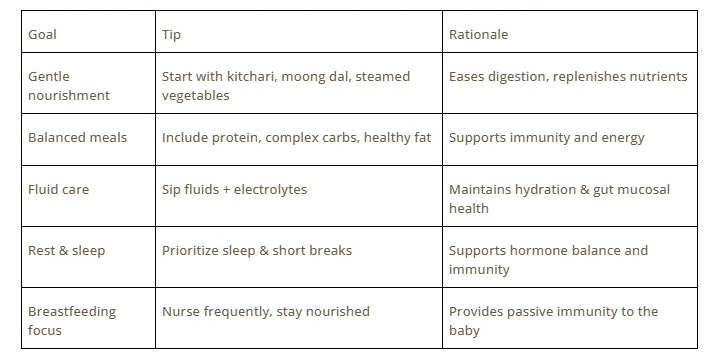
6. Integrative Tips: Recovery + Immunity Together
7. Contact & Further Support
For personalized guidance or consultation, you may connect with Dr. Shweta Wazir at +91 84481 28007 or visit www.drshwetawazir.com. Her expertise in women’s health and maternal-infant wellness can help you tailor the post-Navratri recovery and immunity plan to your specific needs.
Conclusion
The period after Navratri offers a valuable window to support holistic healing: from digestive recovery, through restoring hydration, ensuring adequate rest, to reinforcing mother-baby immunity. By pacing your nutrition, prioritizing fluids, and nurturing both you and the baby, you can transition from fasting into the festive season with grace, strength, and resilience.
Leave A Comment