As the Indian summer intensifies, the rising mercury brings with it a distinct set of challenges for the millions of women navigating life with Polycystic Ovary Syndrome (PCOS). While PCOS is a lifelong metabolic and endocrine condition, the unique stressors of the summer season excessive heat, humidity, and altered daily routines, can act as potent triggers, often worsening key symptoms such as hormonal imbalance, stubborn weight gain, and unrelenting fatigue. Understanding this seasonal interplay is the first and most critical step toward reclaiming comfort, vitality, and effective long-term management.
PCOS in Summer: Understanding the Seasonal Impact on Hormones and Weight
PCOS is fundamentally a condition of hormonal dysregulation and metabolic dysfunction. At its core lies insulin resistance, where the body’s cells do not respond efficiently to insulin, leading to elevated insulin levels in the bloodstream. This hyperinsulinemia, in turn, drives the ovaries to produce excess androgens (male hormones), which is the root cause of many PCOS symptoms, from irregular periods and acne to abnormal hair growth. Furthermore, this endocrine disturbance creates a challenging, self-perpetuating cycle where weight gain both contributes to and is exacerbated by worsening insulin resistance.
During the scorching summer months, the body’s physiological responses can magnify these existing issues. Elevated ambient temperatures naturally raise cortisol (the primary stress hormone), which can independently disrupt delicate hormone balance and worsen insulin sensitivity. Dehydration, a common consequence of excessive sweating, leads to fatigue, sluggish digestion, and increased inflammation, all of which further destabilize the metabolic environment. Consequently, women with PCOS may find that summer not only intensifies hormonal fluctuations but also makes weight management significantly more difficult.
Understanding Weight Gain in PCOS During Summer: Breaking the Cycle
Weight gain in PCOS is not merely a matter of calorie intake; it is a complex metabolic symptom. Approximately 70-80% of women with PCOS are affected by obesity or overweight, highlighting the syndrome’s profound interaction with metabolism. The underlying insulin resistance promotes preferential fat storage around the abdomen (visceral fat), which is itself an inflammatory organ that further worsens insulin sensitivity.
Seasonal factors in summer can compound this issue. The heat often reduces spontaneous physical activity and disrupts sleep patterns, both of which negatively impact insulin and appetite-regulating hormones like ghrelin and leptin. Moreover, the natural craving for cool, often sugar-laden beverages like sodas, packaged fruit juices, and sweetened lassis can cause sharp spikes in blood glucose, leading to increased insulin secretion and promoting further fat storage. However, it is crucial to recognize that even a modest weight reduction of 5–10% of total body weight in overweight women with PCOS can significantly restore ovulatory function and improve the overall hormonal profile, breaking the vicious cycle.
The Best Summer Diet for PCOS in Indian Women: Cooling and Hormone-Balancing Foods
Addressing nutrition is the cornerstone of PCOS management. In the Indian context, a summer diet for PCOS should prioritize foods that are cooling, hydrating, low on the glycemic index (GI), and anti-inflammatory.
Embrace Low-Glycemic Index (GI) Whole Grains
To manage insulin resistance, it is vital to stabilize blood sugar levels throughout the day. Replace refined carbohydrates like white rice and maida-based products with low-GI whole grains. Opt for millets (such as jowar, bajra, and ragi), brown rice, quinoa, and whole wheat. These foods are digested slowly, preventing sharp rises in blood sugar and reducing insulin demand. Traditional preparations like jowar roti, ragi mudde, or quinoa upma are excellent choices.
Prioritize Lean Protein, Healthy Fats, and High Fibre
A PCOS-friendly plate must include lean protein (such as dals, paneer, tofu, fish, or chicken) which promotes satiety and counteracts insulin action. Healthy fats from nuts (particularly almonds and walnuts), seeds (like flax and chia), coconut, and small amounts of ghee are essential as they support hormone production and reduce inflammation. High-fibre vegetables (leafy greens, bottle gourd, cucumber, and zucchini) should fill half your plate. Fiber not only slows sugar absorption but also supports a healthy gut microbiome, which is increasingly recognized for its role in hormonal regulation.
Incorporate Cooling, Hydrating, and Anti-Inflammatory Foods
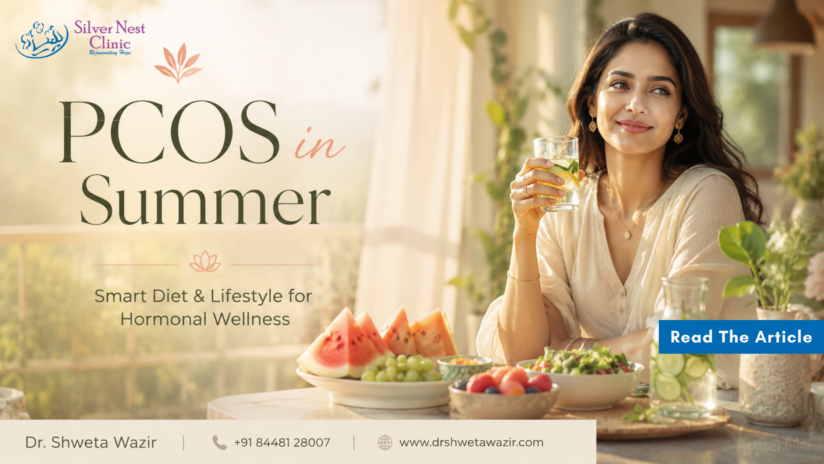
Indian summers demand specific attention to cooling and hydrating foods, which are also exceptionally beneficial for PCOS. The naturopathic approach highlights the power of live, raw foods that are rich in antioxidants and enzymes. Fresh seasonal fruits like watermelon, muskmelon, and berries (in moderation) and vegetables such as cucumber, bottle gourd (lauki), and ash gourd provide essential hydration without a heavy glycemic load. Including probiotics like homemade unsweetened curd and buttermilk (chaas) supports gut health, which is directly linked to better immunity and hormonal balance. Spices like turmeric, cinnamon, and ginger are powerful anti-inflammatory agents that can be brewed into a warm herbal tea or used in daily cooking to improve insulin sensitivity and reduce bloating. A hydrating and cooling option is coconut water, which replenishes lost electrolytes without added sugar.
Foods to Strictly Avoid
For effective management, it is equally important to eliminate foods that exacerbate PCOS symptoms. Refined sugars found in sweets, biscuits, pastries, and packaged juices cause rapid insulin spikes and hormonal chaos. Deep-fried snacks like samosas and pakoras, which are particularly tempting during the monsoon transition, worsen systemic inflammation. White rice should be strictly limited, and heavy, oily meats should be reduced. Additionally, some women with PCOS may be sensitive to dairy; for them, opting for plant-based alternatives like almond or oat milk is advisable.
Essential Lifestyle Tips for Women with PCOS to Thrive This Summer
Beyond diet, certain lifestyle adjustments are paramount for navigating the summer months with PCOS.
- Prioritize Hydration: Dehydration is a direct enemy of stable energy and hormone regulation. Make it a habit to drink plain, filtered water consistently throughout the day. Supplement this with natural hydrating options like nimbu pani (without sugar), fresh coconut water, and barley water. This is crucial for preventing the fatigue and sluggishness that often worsens PCOS symptoms.
- Maintain an Active Routine with Smart Timing: Regular physical activity improves insulin sensitivity, aids weight management, and reduces androgen levels. However, intense exercise in peak afternoon heat can be counterproductive. Schedule your workouts for the cooler early morning or late evening hours. A combination of brisk walking, swimming (an excellent low-impact summer exercise), and indoor yoga or pilates is ideal.
- Support Hormone Health with Proper Sleep: The hot and often humid summer nights frequently disrupt sleep. Poor sleep elevates cortisol and worsens insulin resistance. Use light cotton bedding, keep your sleeping environment cool, and maintain a consistent bedtime routine, even on weekends, to support your body’s natural circadian rhythms and hormone detoxification processes.
- Manage Stress and Seek Expert Guidance: Chronic stress aggravates PCOS by raising cortisol levels. Practice daily relaxation techniques such as deep breathing, meditation, or a short evening walk. Perhaps most importantly, do not navigate this complex condition alone. A personalized management plan is invaluable.
Seeking Expert Guidance: Your Partner in Health
PCOS is a chronic but highly manageable condition, especially with the right medical guidance and a supportive lifestyle. Every woman’s experience with PCOS is unique, and a one-size-fits-all approach is rarely effective. If you are struggling with worsening symptoms or need a personalized strategy, seeking expert care is the most empowering step you can take.
Dr. Shweta Wazir is a highly respected Obstetrician and Gynecologist with over 20 years of experience, recognized for her clinical acumen and compassionate care. She is currently practicing in Gurgaon, offering expert evaluation and management for PCOS, infertility, and other complex women’s health issues. Her approach integrates modern medical science with a deep understanding of patient’s individual needs.
Conclusion
The summer season does not have to be a period of heightened struggle for women with PCOS. By understanding the scientific reasons behind seasonal symptom flares and proactively adopting a strategic, holistic approach, centered on a cooling, low-GI diet and mindful lifestyle habits, you can achieve significant control over your health. It is about working with your body and its natural cycles, not against them. With the right knowledge and a commitment to self-care, you can navigate the summer with resilience and maintain hormonal harmony, feeling empowered and in charge of your well-being.



Leave A Comment