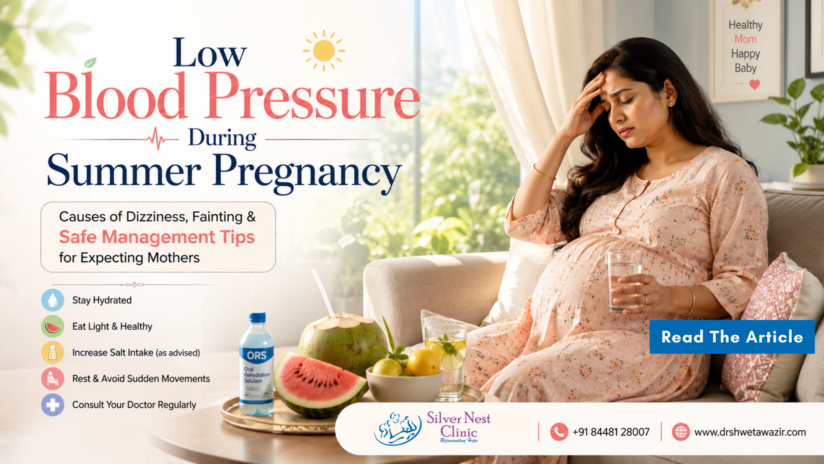
Pregnancy is a time of profound physical transformation, and the scorching Indian summer adds another layer of physiological demand on an expectant mother’s body. A common yet often unsettling experience during this period is a sudden dip in blood pressure, accompanied by dizziness or lightheadedness. Understanding why this happens and how to manage it is crucial for the safety and comfort of every pregnant woman.
What is Low Blood Pressure (Hypotension) in Pregnancy?
Blood pressure is measured as two numbers: systolic (pressure when your heart beats) over diastolic (pressure when your heart rests). A normal reading is typically around 120/80 mmHg. Low blood pressure, or hypotension, is generally defined as a reading lower than 90 mmHg systolic or 60 mmHg diastolic. A mild decrease is a normal physiological response during pregnancy; however, significant drops can lead to symptoms that require attention.
Summer & Pregnancy: A Perfect Storm for Low BP
Several unique physiological changes during pregnancy, combined with the challenges of Indian summer, create the perfect storm for hypotension.
The Hormonal Shift
The body releases large amounts of hormones like progesterone to relax the walls of blood vessels. This is essential to increase blood flow toward the baby, but it also lowers the overall pressure in your system.
The Increased Metabolic Load
By term, a pregnant woman’s blood volume increases by almost 50% to support the fetus. Summer heat causes dehydration, reducing this critical blood volume. Less circulating blood means less pressure to push it to the brain, leading to dizziness.
The “Supine Hypotensive Syndrome”
In the second and third trimesters, lying flat on your back allows the weight of the growing uterus to compress the major vein (inferior vena cava) returning blood to your heart. Studies indicate this can reduce cardiac output by up to 30%. In summer, when blood vessels are naturally dilated to cool the body, this effect is exacerbated.
Recognizing the Symptoms: Dizziness, Fatigue & Fainting
Expecting mothers may experience a range of symptoms, including lightheadedness (particularly when standing quickly), fatigue, blurred vision, unusual thirst, nausea, and cold or pale skin. The major complication is dizziness leading to fainting, which poses a fall risk for the mother and, by reducing blood flow, can potentially deprive the fetus of oxygen.
Safe Management Tips: How to Regulate Blood Pressure Naturally
There is no one-size-fits-all solution, but implementing a few lifestyle adjustments can significantly stabilize your blood pressure during the summer months.
1. Prioritize Gradual Movement
The most effective way to combat dizziness is to slow down. Avoid jumping out of bed or bolting up from a sofa. Use the “Rule of 10 Seconds.” Roll to your side, push up slowly, sit for a moment, and then stand. This gives your blood vessels time to adjust, preventing sudden pressure drops.
2. Beat the Heat with Hydration
Dehydration is a leading cause of low blood pressure in summer. Do not wait until you feel thirsty. Keep a water bottle handy at all times. Drinking enough water helps increase blood volume and thus stabilizes blood pressure. Oral Rehydration Solutions (ORS) or homemade lemon water with a pinch of salt and sugar can be especially effective during peak heat hours.
3. Modify Your Lying Positions
After 20 weeks of pregnancy, never lie flat on your back (supine position) for extended periods. Always sleep or rest on your left side. This position shifts the weight of the uterus away from the main blood vessels, ensuring robust blood flow to your heart and brain. If you must lie on your back for medical examinations, place a wedge or folded towel under your right hip to tilt the uterus.
4. Balanced Nutrition
Do not skip meals. Low blood sugar can compound the effects of low BP. Eat small, frequent meals rich in protein and complex carbohydrates. If your doctor gives the green light, slightly increasing salt intake can help retain fluids and raise blood pressure, but this should be done carefully and only under medical advice.
5. Wear Comfortable Clothing
In summer, tight clothing can restrict blood flow. Choose loose, breathable fabrics that allow your body to cool naturally. Wearing comfortable, well-cushioned footwear provides stability and prevents injury if a dizzy spell does occur.
When to Worry: Signs You Need Medical Help
While most cases of low blood pressure during pregnancy are harmless, specific symptoms warrant immediate medical attention. You should contact your doctor or visit a hospital if you:
- Experience Fainting: If you lose consciousness, even for a few seconds.
- Feel Severe Weakness: If the dizziness is accompanied by chest pain, severe headache, or shortness of breath.
- Have Vision Changes: If you have blurring or spots in your vision.
- Notice Reduced Baby Movements: If you feel the baby moving significantly less than usual.
Dr. Shweta Bansal Wazir
Dr. Shweta Bansal Wazir is an experienced Obstetrician & Gynecologist dedicated to providing comprehensive, patient-centric care for women throughout all stages of life. Her expertise spans pregnancy care, adolescent gynecology, menstrual disorders, fertility concerns, and menopause management. Dr. Shweta focuses on understanding the unique needs of every patient, blending clinical excellence with compassionate communication.
Book a Consultation: Visit www.drshwetawazir.com or call +91 84481 28007 for appointments and inquiries.
Disclaimer: This article is for informational purposes only and does not constitute medical advice. Always consult a qualified healthcare professional for any health concerns or before making any decisions related to your health or treatment.



Leave A Comment