Anemia in Pregnancy India 2025: A Public Health Emergency Beneath the Surface
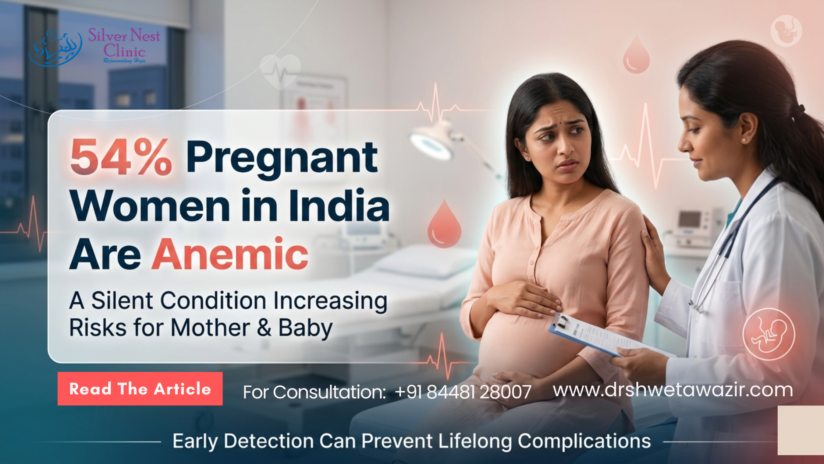
In the quiet corridors of India’s antenatal clinics, a silent epidemic continues to unfold, one that claims lives not through dramatic outbreaks but through a slow, pervasive depletion of vitality. The latest data from the National Family Health Survey-5 (NFHS-5) reveals a staggering reality: anemia in pregnancy India 2025 statistics show that approximately 54% of pregnant women across the country remain anemic. This figure represents over 7.5 million expectant mothers at any given time, and it has shown only marginal improvement over the past decade.
Despite India’s notable achievements in reducing maternal mortality, with the Maternal Mortality Ratio declining to 88 deaths per one lakh live births, the prevalence of anemia has stubbornly refused to retreat. In some states, regional studies report even more alarming figures, with anemia affecting 70.7% of antenatal women in certain districts. This hidden hunger, often dismissed as a minor nutritional inconvenience, is in fact one of the most dangerous complications of pregnancy, directly doubling the risks of both maternal mortality and adverse fetal outcomes.
Understanding Iron Deficiency in Pregnant Women: The Physiological Basis
Why Pregnancy Creates a Perfect Storm for Anemia
The human body’s demand for iron surges dramatically during gestation. According to clinical guidelines, a pregnant woman requires nearly three times the amount of iron compared to her non-pregnant counterpart, as her body must produce additional blood to support the growing fetus and placenta. The normal physiological increase in plasma volume, which begins early in pregnancy, creates a state of haemodilution, where the red blood cell mass cannot keep pace with the expanding fluid volume.
Iron deficiency in pregnant women is defined by the World Health Organization as a hemoglobin level below 110 g/L during the first trimester, and below 105 g/L in the second and third trimesters. Globally, iron deficiency remains the most common cause of anaemia in pregnancy worldwide, affecting approximately 500 million people. In the Indian context, studies have identified that among anemic pregnant women, 43.4% have concurrent iron deficiency, while significant proportions also suffer from vitamin B12 deficiency (39.7%) and folic acid deficiency (20.9%).
How Severe Anemia Contributes to Postpartum Hemorrhage: The Maternal Death Cascade
Postpartum Hemorrhage Risk: A Lethal Connection
The most immediate and life-threatening consequence of maternal anemia is its direct contribution to postpartum hemorrhage risk, the leading cause of maternal deaths worldwide. Clinical research has established that anemic women are more than eleven times more likely to experience postpartum haemorrhage compared to non-anemic mothers. This elevated risk transforms what should be a moment of joy into a potential medical emergency, as the body’s inability to form adequate blood clots and maintain vascular integrity combines with reduced oxygen-carrying capacity.
A prospective study conducted in a tertiary care centre in India found that among women with moderate anemia, 4% experienced postpartum hemorrhage requiring blood transfusion, while among those with severe anemia, the incidence of PPH rose to 8%. Moreover, anemia is the second most common cause of maternal death in India, accounting for approximately 20% of total maternal fatalities. The World Health Organization estimates that 12.8% of maternal deaths globally can be attributed to anemia, a figure that disproportionately affects South Asian nations including India.
Beyond Hemorrhage: Other Maternal Complications
The dangers of iron deficiency during pregnancy extend far beyond the immediate postpartum period. Severe anemia has been associated with a significantly elevated risk of preterm labour, observed in 38% of severely anemic women in one major study. Additionally, the incidence of preeclampsia rises to 20%, intrauterine growth restriction affects 10% of pregnancies, and cardiac failure, though rare, occurs in nearly 1% of severe cases. These complications not only threaten maternal survival but also impose long-term health burdens on women who survive childbirth.
Low Birth Weight Prevention and Fetal Protection: The Intergenerational Cost
How Maternal Anemia Compromises the Unborn Child
The impact of maternal anemia on fetal development is profound and well-documented through rigorous research. A prospective cohort study conducted in Eastern Maharashtra, involving 200 pregnant women, demonstrated that mild and moderate anemia in the first trimester were significantly associated with lower birthweight, reductions of 147.7 grams and 77.7 grams respectively. For reference, a birthweight below 2500 grams classifies an infant as low birth weight, a condition that independently increases the risk of neonatal mortality, developmental delays, and chronic diseases later in life.
Research has consistently confirmed that maternal anaemia is strongly associated with low birth weight, which in turn elevates the risk of neonatal morbidity and mortality. Furthermore, severe maternal anaemia has been linked to intrauterine fetal demise (8% of severe cases), spontaneous abortions, and increased rates of neonatal complications. In one Indian study, nearly 46.5% of neonates born to severely anemic mothers experienced complications, compared to 35% among mild anaemic cases and 65% among moderate cases.
The Role of Micronutrient Deficiencies
While iron deficiency remains the predominant cause, the problem of anemia in pregnancy is multifactorial. Studies have identified that among pregnant women in India, 40% suffer from iron deficiency, 30% from vitamin B12 deficiency, and a significant number from folate deficiency. Alarmingly, despite 99.4% of mothers reporting receipt of iron-folic acid supplements during their current pregnancy, anemia prevalence in the third trimester increased to 70.7% in some cohorts, indicating that adherence, absorption, or the presence of additional nutritional deficiencies may be compromising treatment efficacy.
The Root Causes: Why India’s Progress on Anemia Has Stalled
Dietary, Cultural, and Systemic Barriers
The persistence of iron deficiency in pregnant women despite decades of public health programming reflects a complex interplay of factors. In many Indian households, women eat last and least, leaving diets chronically deficient in iron, vitamin B12, and vitamin C, the latter being essential for iron absorption. Additionally, the high prevalence of vegetarian diets, while nutritionally adequate when properly planned, often lacks bioavailable heme iron found in animal products, making it more difficult to meet the increased demands of pregnancy.
Systemic challenges further compound the issue. While national guidelines recommend haemoglobin screening once per trimester, many women are tested only once or not at all, meaning anaemia often goes undiagnosed until it is too late. Furthermore, while the government recommends a 180-day course of iron-folic acid supplementation during pregnancy, completion rates remain alarmingly low due to side effects such as gastrointestinal discomfort and lack of follow-up.
Solutions for a Healthier Future: From Detection to Treatment
The Path Forward: Low Birth Weight Prevention and Maternal Care
Addressing this crisis requires a multi-pronged strategy that begins before conception. Ensuring that girls and young women enter pregnancy with adequate iron stores through improved nutrition, deworming programs, and preconception supplementation is essential. For moderate-to-severe cases or those intolerant of oral iron, intravenous Ferric Carboxymaltose offers a rapid, single-dose alternative that restores iron levels effectively. The Government of India has issued guidelines recommending the use of IV FCM for pregnant women with moderate to severe anaemia, but implementation and access remain uneven, particularly in rural and underserved areas.
Accurate diagnosis is equally critical. Moving beyond hemoglobin-based screening alone to include biochemical markers such as serum ferritin, vitamin B12, and folic acid can enable targeted treatment, distinguishing between iron deficiency anemia and other nutritional anemias. Strengthening both clinical and community-based strategies targeting iron deficiency, alongside other causes of anemia, will be essential to break the cycle of intergenerational malnutrition.
About Dr. Shweta Wazir
Dr. Shweta Wazir is a dedicated obstetrician and gynaecologist committed to advancing maternal and fetal health through evidence-based care and patient education. The practice provides comprehensive services including antenatal care, high-risk pregnancy management, nutritional counselling for anemia in pregnancy, and postpartum support. The unique selling proposition lies in a holistic, patient-centric approach that integrates advanced medical interventions with compassionate, individualized care. Emphasising early detection of iron deficiency and proactive low birth weight prevention strategies, the clinic serves expectant mothers seeking to navigate pregnancy with confidence and safety.
Contact
Phone: +91 84481 28007



Leave A Comment