The Dawn of PMOS: Understanding the Paradigm Shift
For countless Indian women navigating the complexities of reproductive health, the acronym PCOS has been a longstanding, often frustrating, companion. However, a significant shift in medical understanding is redefining this condition. The term is now evolving to Phenotypic Manifestation of Ovarian Syndrome (PMOS), a conceptual change that moves away from the singular focus on “cysts” in the ovaries and toward a holistic understanding of the condition as a systemic metabolic and endocrine disorder. This new perspective acknowledges that the cluster of symptoms, irregular periods, weight gain, acne, and excessive hair growth, is a manifestation of broader underlying imbalances, primarily driven by insulin resistance and hormonal dysregulation.
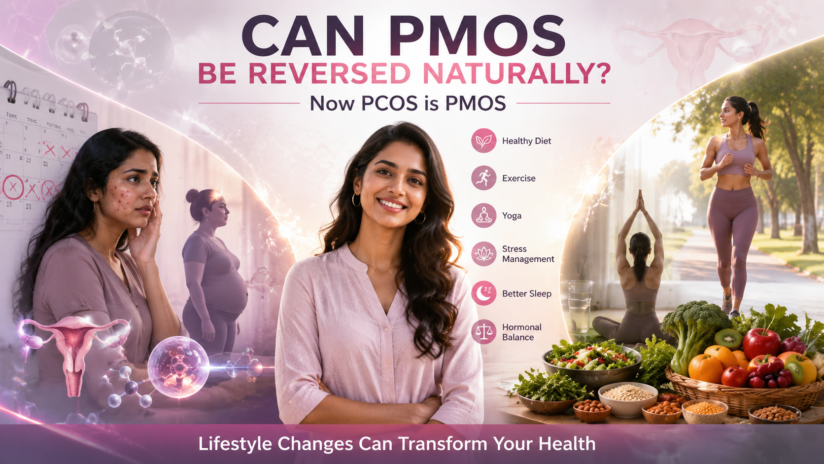
Crucially, this redefinition offers a new outlook on a question at the heart of every woman’s concern: Can PMOS be reversed naturally? The answer is nuanced but deeply hopeful. While there is no magic pill for a “permanent cure,” a growing body of evidence confirms that with the right, consistent lifestyle interventions, the symptoms of PMOS can be managed so effectively that the condition is effectively sent into remission. This means you can restore regular ovulation, achieve a balanced hormonal profile, and dramatically reduce long-term health risks, allowing you to lead a vibrant, healthy life.
The Indian Context: A Prevalent and Pressing Concern
In India, the burden of PMOS is particularly heavy, mirroring and often exceeding global trends. The condition affects an estimated 8–13% of women of reproductive age worldwide, making it one of the most common endocrine disorders. However, within India, the prevalence is alarmingly high, with studies suggesting it could be as broad as 3.7% to 22.5%, potentially affecting up to 7.9 crore (79 million) women. This high incidence is intricately linked to modern lifestyles and dietary habits, making a tailored, culturally relevant approach to management essential. Traditional Indian diets, while often rich in nutrients, can also be high in refined carbohydrates and sugars, inadvertently exacerbating insulin resistance, a core driver of PMOS.
A Natural Reversal: Pillars of the Holistic Approach
The journey to putting PMOS into remission rests on four interdependent pillars. These are not temporary fixes but sustainable lifestyle transformations.
1. The Plate as Medicine: Rethinking the Indian Diet
Effective dietary management is the cornerstone of natural PMOS reversal. The goal is not severe restriction but strategic nourishment to stabilize blood sugar and reduce inflammation. For the Indian woman, this means reimagining the traditional thali.
- Choose Low Glycemic Index (GI) Grains: Replace refined staples like white rice and maida (refined flour) with whole grains that release energy slowly. Opt for brown rice, quinoa, millets (jowar, ragi, bajra), and oats. A meal of 1-2 multigrain rotis with a bowl of dal and green sabzi is an excellent choice.
- Embrace an Anti-Inflammatory Approach: Diets rich in antioxidants and healthy fats are highly effective. The Mediterranean diet and DASH eating plan have shown great promise in improving insulin sensitivity and reducing inflammation in PMOS. Incorporate ghee, coconut, nuts, and seeds in moderation.
- Incorporate Powerful Spices and Herbs: Leverage the wisdom of Indian kitchens. Turmeric (curcumin), cinnamon, and fenugreek seeds (methi) have scientifically backed anti-inflammatory and blood sugar-regulating properties. A daily cup of spearmint tea may also help reduce hirsutism (excessive hair growth).
2. The Power of Primal Movement: Exercise Beyond the Gym
Physical activity is non-negotiable for reversing PMOS naturally. It directly combats insulin resistance, supports weight management, and uplifts mood.
- A Synergistic Mix: The most effective routine combines cardiovascular exercise and strength training. Brisk walking for 30-45 minutes daily is a simple yet powerful start, while strength training 3-4 times per week helps build muscle, which is metabolically active and improves glucose uptake.
- The Unique Role of Yoga: As a cornerstone of Indian wellness, yoga offers a unique, multi-faceted benefit for PMOS. Studies demonstrate that a consistent yoga practice (including Asanas, Pranayama, and meditation) can improve menstrual regularity, normalize hormonal profiles, and reduce stress, a major aggravating factor for PMOS. Specific asanas that stretch the pelvic area and breathing techniques that soothe the mind are particularly therapeutic.
3. Calming the Mind: Managing Stress and Sleep
Chronic stress is a silent amplifier of PMOS. It elevates cortisol levels, which in turn worsens insulin resistance and hormonal chaos. Techniques such as meditation, mindfulness, and deep breathing exercises are not mere luxuries but essential tools to lower cortisol and restore hormonal harmony. Furthermore, prioritizing 7-8 hours of quality sleep is critical for metabolic regulation and overall endocrine health.
4. The Promise of Traditional Indian Medicine (TIM)
For many Indian women, a natural path is incomplete without exploring the time-honored principles of Ayurveda. Research is increasingly validating this approach. Studies show that Ayurvedic treatments, focusing on balancing the Kapha and Pitta doshas, have led to significant improvements in menstrual regularity, hormonal balance, and pregnancy outcomes, often with fewer side effects than conventional treatments alone. Specific herbal interventions, including formulations with Foeniculum vulgare (fennel), Asparagus racemosus (shatavari), and Tinospora cordifolia (giloy), are being studied for their hypoglycemic and anti-obesity effects in managing PMOS.
A Journey of Empowerment, Not a Destination of Defeat
The shift from PCOS to PMOS is more than a nomenclature change; it is a movement toward patient empowerment. It tells a woman that she is not defined by cysts on an ultrasound but by the daily choices she makes to honor her body’s intricate needs. The information presented here is for educational purposes. For a truly personalized plan that respects your unique health profile, seeking expert guidance is invaluable. Dr. Shweta Wazir and her dedicated team at www.drshwetawazir.com are committed to helping you navigate this journey. Take the first step toward reclaiming your health and vitality by reaching out at +91 84481 28007. Your journey toward a balanced and vibrant life is not only possible, it is well within your reach.


Leave A Comment