
Best Gynecologist Clinic in Gurgaon


July 22, 2026
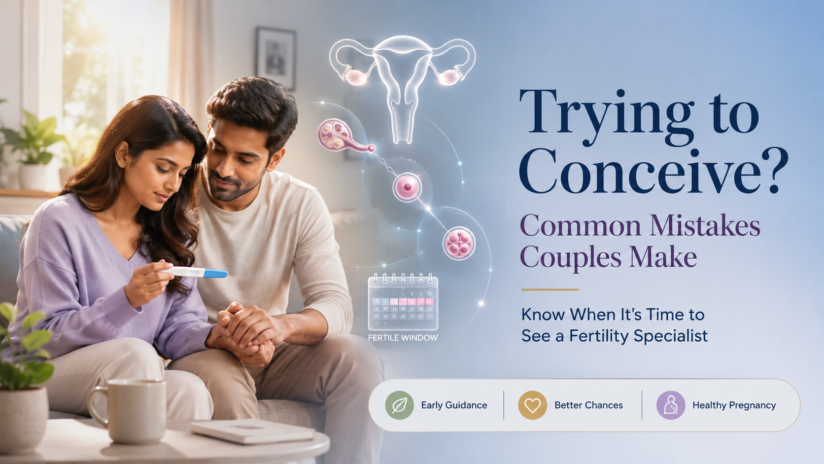
Trying to conceive is an emotional journey for many couples. While some achieve pregnancy within the first few months, others may find themselves waiting longer than expected despite regular unprotected intercourse. This uncertainty often leads to anxiety, self-doubt, and confusion, especially when surrounded by conflicting advice from family members, social media, and the internet.
The reality is that conception is influenced by multiple factors, including age, ovulation, sperm health, hormonal balance, lifestyle, and underlying medical conditions. Delayed pregnancy does not always mean infertility, but it does highlight the importance of understanding how fertility works and recognising when professional guidance is needed.
For Indian couples, conditions such as PCOS, thyroid disorders, obesity, vitamin deficiencies, stress, and delayed family planning are becoming increasingly common and can affect reproductive health. Fortunately, many of these factors are treatable with timely medical care and lifestyle modifications.
This article explains the most common mistakes couples make while trying to conceive, when it is appropriate to seek medical advice, and how early fertility assessment can improve the chances of a healthy pregnancy.
Understanding Fertility: Why Pregnancy Doesn’t Always Happen Immediately
Many couples expect pregnancy to occur within the first month of trying. However, even among healthy couples with no fertility problems, the chance of conception during a single menstrual cycle is only around 20–25%.
Most couples conceive naturally within twelve months of regular unprotected intercourse. Several biological factors determine whether pregnancy occurs, including the release of a healthy egg, adequate sperm count and motility, successful fertilisation, embryo development, and implantation within the uterus. Any disruption in this complex process can delay conception.
Understanding these natural variations helps reduce unnecessary anxiety while ensuring that genuine fertility concerns are not overlooked.
Common Mistakes Couples Make While Trying to Conceive
1. Waiting Too Long Before Consulting a Fertility Specialist
One of the most frequent mistakes is assuming that pregnancy will happen “eventually” without medical evaluation. While patience is important, delaying professional advice for several years can reduce treatment success, particularly as female fertility naturally declines with age.
Women above 35 years should not wait longer than six months if pregnancy has not occurred despite regular unprotected intercourse. Women aged 40 years or older should seek evaluation as soon as they begin planning pregnancy.
Early consultation often identifies simple and treatable causes such as ovulation disorders, thyroid imbalance, nutritional deficiencies, or mild male-factor infertility before they become more complicated.
2. Misunderstanding the Fertile Window
Many couples focus on timing intercourse only on the expected day of ovulation. In reality, sperm can survive inside the female reproductive tract for up to five days, while the egg remains viable for only 12–24 hours after ovulation.
The most fertile period includes the five days before ovulation and the day ovulation occurs. Rather than relying entirely on calendar calculations or smartphone applications, fertility specialists usually recommend regular intercourse every two to three days throughout the menstrual cycle. This approach naturally covers the fertile window and reduces unnecessary stress.
3. Believing Fertility Is Only a Woman’s Responsibility
Infertility affects both partners. Approximately half of infertility cases involve male factors either alone or in combination with female reproductive issues.
Reduced sperm count, poor sperm movement, abnormal sperm morphology, hormonal disorders, infections, smoking, alcohol consumption, obesity, diabetes, and certain medications can all affect male fertility. Therefore, evaluating both partners together allows quicker diagnosis and avoids unnecessary delays in treatment.
4. Ignoring Lifestyle and Nutrition
Modern lifestyles significantly influence reproductive health. Smoking, alcohol consumption, obesity, excessive processed foods, inadequate sleep, chronic stress, prolonged sitting, vitamin deficiencies, and lack of regular physical activity can negatively affect hormone production, ovulation, sperm quality, and embryo development.
For Indian couples, maintaining a balanced diet rich in fresh fruits, vegetables, whole grains, pulses, dairy products, nuts, seeds, and adequate protein supports healthier reproductive function. Even modest weight reduction in overweight women with PCOS has been shown to improve ovulation and increase pregnancy rates.
5. Delaying Pregnancy Until the Late Thirties
Although career growth, financial planning, and personal goals are important, it is equally important to understand that female fertility naturally declines with age. Egg quantity and quality gradually decrease after 30 years and more rapidly after 35 years.
Advanced maternal age is associated with reduced conception rates, increased miscarriage risk, and higher chances of chromosomal abnormalities. Couples planning delayed parenthood should discuss fertility preservation or early reproductive counselling with a qualified gynaecologist.
6. Ignoring Existing Medical Conditions
Several common medical conditions can reduce fertility if left untreated. PCOS, endometriosis, thyroid disorders, diabetes, uterine fibroids, pelvic inflammatory disease, sexually transmitted infections, and hormonal imbalances may interfere with ovulation, fertilisation, or implantation.
Fortunately, many of these conditions respond well to timely medical treatment, improving the likelihood of natural conception.
7. Depending on Myths, Home Remedies, or Unverified Online Advice
The internet is filled with fertility advice that lacks scientific evidence. Herbal supplements, detox diets, miracle fertility foods, or social media recommendations often create false hope while delaying appropriate treatment.
Every couple has unique reproductive health needs, making personalised medical evaluation far more reliable than following generalized advice found online.
8. Assuming Regular Periods Mean Everything Is Normal
Many women believe that regular menstrual cycles automatically indicate healthy fertility. While regular periods usually suggest ovulation, they do not guarantee normal egg quality, open fallopian tubes, healthy uterine lining, or balanced reproductive hormones.
Similarly, male fertility cannot be judged by appearance or sexual performance alone. Professional fertility evaluation remains the most reliable way to assess reproductive health.
How Long Should You Try Before Seeing a Fertility Specialist?
Most healthy couples do not require immediate fertility treatment. However, the timing of specialist consultation depends largely on the woman’s age and medical history.
Women younger than 35 years are generally advised to seek medical evaluation after one year of regular unprotected intercourse without conception.
Women aged 35 years or above should consult a fertility specialist after six months of unsuccessful attempts because fertility naturally declines with age.
Women aged 40 years or older, or couples with known reproductive health concerns, should seek medical advice as soon as they decide to conceive rather than waiting.
Warning Signs That Should Never Be Ignored
Certain symptoms indicate that earlier fertility evaluation is appropriate. These include irregular or absent menstrual cycles, severe pelvic pain, recurrent miscarriages, known PCOS, endometriosis, previous pelvic infections, thyroid disease, ovarian surgery, chemotherapy, abnormal semen analysis, erectile dysfunction, or a family history of infertility.
Early diagnosis often results in simpler treatment and improved pregnancy outcomes.
What Happens During Your First Fertility Consultation?
A fertility consultation is designed to understand both partners’ reproductive health rather than immediately recommending advanced treatments.
Your doctor may review your medical history, menstrual cycle, previous pregnancies, medications, lifestyle habits, dietary patterns, and family history before recommending appropriate investigations.
Depending on your individual circumstances, investigations may include hormone blood tests, pelvic ultrasound, ovulation assessment, ovarian reserve testing, thyroid function tests, semen analysis, and imaging studies to assess the uterus and fallopian tubes.
The purpose of these tests is to identify the underlying cause and develop a personalised treatment plan.
Practical Fertility Tips for Indian Couples
Maintaining reproductive health begins with everyday habits. Eating a balanced diet, maintaining a healthy body weight, engaging in moderate physical activity, managing stress effectively, getting adequate sleep, limiting caffeine, avoiding smoking and alcohol, and starting folic acid supplementation before conception can all contribute to healthier pregnancies.
Couples should also prioritise regular health check-ups, timely treatment of chronic illnesses, and open communication with their healthcare provider throughout the conception journey.
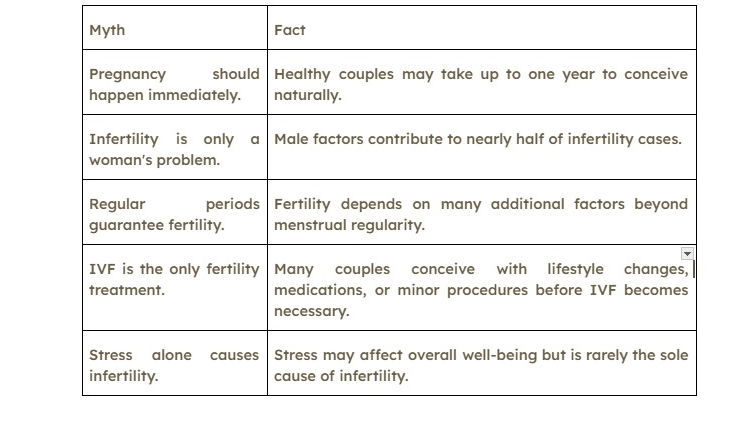
Common Fertility Myths vs Facts
Key Takeaway
Trying to conceive requires patience, realistic expectations, and accurate medical information. Most couples achieve pregnancy naturally, but recognising the right time to seek expert guidance can prevent unnecessary delays and improve reproductive outcomes.
If pregnancy has not occurred despite regular unprotected intercourse, or if you have known medical conditions affecting fertility, consulting an experienced gynaecologist can help identify the cause and recommend the most appropriate treatment.
Consult Dr. Shweta Bansal Wazir
If you are planning a pregnancy, experiencing difficulty conceiving, or have concerns about your reproductive health, Dr. Shweta Bansal Wazir offers evidence-based fertility evaluation and personalised care tailored to every couple’s unique needs.
📍 Comprehensive Fertility Assessment & Women’s Health Care
📞 Call: +91 84481 28007
🌐 Website: https://www.drshwetawazir.com
Leave A Comment