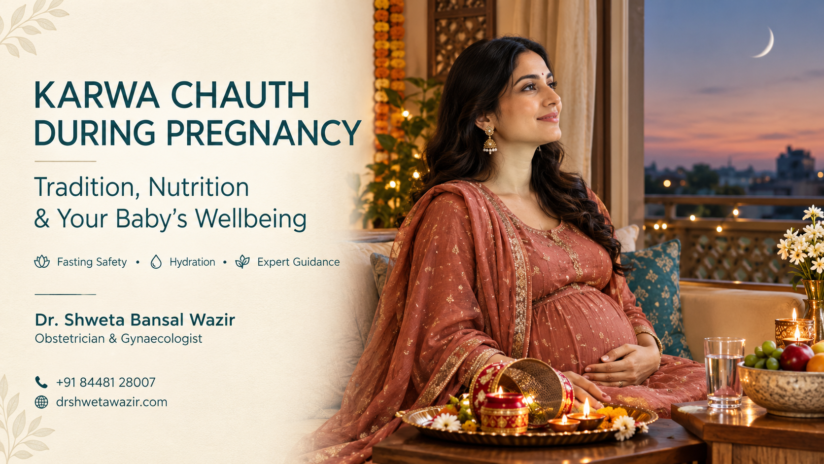
Karwa Chauth is a cherished festival for many Indian women, symbolising love, commitment, and family traditions. For an expectant mother, however, the occasion can bring an important question: Is it safe to observe Karwa Chauth during pregnancy, especially when the traditional fast involves avoiding both food and water until moonrise?
Pregnancy changes the body’s nutritional and fluid requirements. While celebrating a meaningful tradition can be emotionally important, protecting maternal health and the baby’s development must remain the priority. Understanding the possible risks and discussing your plans with your gynaecologist can help you make an informed decision.
Is Karwa Chauth Fasting Safe During Pregnancy?
A traditional Karwa Chauth fast may involve several hours without food or water. This can be challenging during pregnancy, when the body needs a regular supply of nutrients and adequate hydration.
Going without fluids for an extended period can contribute to dehydration, dizziness, headaches, weakness, and fainting. Going without food may also affect blood glucose levels, particularly in women who experience pregnancy-related nausea or have diabetes.
Research on fasting during pregnancy is limited, and studies examining other religious fasting practices cannot establish that a full-day, food-and-water-restricted Karwa Chauth fast is safe for every pregnant woman. The safest approach is to consult your obstetrician before deciding whether to fast.
Women with gestational diabetes, anaemia, high blood pressure, severe vomiting, or a high-risk pregnancy may need particular caution. Your doctor can assess your pregnancy, medications, nutritional needs, and individual risk factors before advising you.
Why Does Pregnancy Require Extra Care During Fasting?
During pregnancy, your body supports the growth and development of your baby while adapting to changes in blood volume, circulation, metabolism, and fluid requirements.
A prolonged fast without water may make it harder to maintain adequate hydration. Similarly, missing meals may be unsuitable for women who need regular food intake to manage nausea, blood glucose levels, or other medical conditions.
This does not mean every pregnant woman will develop a complication after missing a meal. However, there is no reliable way to predict individual tolerance without considering the pregnancy and the mother’s health.
The important message is simple: do not assume that a traditional fast is safe simply because you feel healthy or have fasted before pregnancy.
What Should Pregnant Women Eat for Karwa Chauth Sargi?
Sargi is traditionally eaten before sunrise. If your gynaecologist advises you not to observe a complete fast, you can still enjoy the festival while following an appropriate eating and drinking routine.
Choose a balanced meal that provides sustained energy, protein, fibre, and essential nutrients.
- Whole grains: Whole-wheat roti, oats, or porridge can provide energy and fibre.
- Protein-rich foods: Paneer, curd, milk, nuts, or cooked pulses can help meet your nutritional needs.
- Fresh fruits: Bananas, apples, oranges, or other well-washed fruits provide vitamins, fibre, and fluid.
- Healthy fats: A small portion of almonds, walnuts, or other nuts can add useful nutrients.
- Hydrating foods: Curd, milk, and water-rich fruits can contribute to fluid intake.
Avoid relying entirely on sweets, fried snacks, or sugary drinks. They may provide energy but do not replace a balanced meal.
Your sargi should also suit your medical needs. For example, women with gestational diabetes may need an individualised meal plan rather than a large carbohydrate-heavy meal.
Hydration During Karwa Chauth in Pregnancy
Hydration is particularly important when pregnant women are considering a religious fast. The American College of Obstetricians and Gynecologists advises pregnant women to aim for approximately eight to twelve cups of water daily, although individual needs can vary.
If your doctor advises against a dry fast, drink water regularly throughout the day rather than trying to compensate by drinking a large quantity at once. Other suitable fluids may be included according to your dietary and medical requirements.
Do not deliberately restrict water to follow the traditional fast without medical advice. If you have been advised to limit fluids for a specific medical reason, follow your treating clinician’s instructions.
Warning Signs Pregnant Women Should Never Ignore
If you are fasting or have reduced your food or fluid intake, pay attention to how you feel.
Warning signs include:
- Persistent dizziness, fainting, or unusual weakness.
- Severe headache, confusion, or blurred vision.
- Repeated vomiting or difficulty keeping fluids down.
- Very little urine or unusually dark urine.
- Abdominal pain, vaginal bleeding, or fluid leaking from the vagina.
- Reduced fetal movement once you have established a usual movement pattern.
Stop fasting and seek medical advice if you feel unwell. Severe symptoms, fainting, vaginal bleeding, or reduced fetal movement warrant urgent assessment. Do not wait until moonrise to seek help.
How to Celebrate Karwa Chauth Safely During Pregnancy
You do not have to miss the emotional significance of Karwa Chauth to make a medically responsible choice.
Discuss your plans with your gynaecologist in advance. If fasting is not advisable, consider participating in the puja, dressing for the occasion, spending time with family, and following a nourishing meal and hydration routine.
Choose comfortable clothing that allows you to sit and move easily. Avoid prolonged standing, excessive exertion, and overheating. Rest when needed, and do not skip prescribed medicines or change their timing without medical advice.
If you feel pressured to follow a traditional fast, remember that pregnancy is a time when your health needs may be different. Your family can honour the festival alongside you without expecting you to compromise your well-being.
Frequently Asked Questions About Karwa Chauth During Pregnancy
Can I keep Karwa Chauth fast during the first trimester?
The first trimester can involve nausea, vomiting, and difficulty maintaining food and fluid intake. Do not undertake a strict fast without consulting your obstetrician.
Can I drink water during Karwa Chauth while pregnant?
A dry fast is not advisable without medical assessment. Ask your doctor about a suitable alternative that allows you to maintain hydration and meet your nutritional needs.
What is the best food for pregnant women during Karwa Chauth?
A balanced meal containing whole grains, protein-rich foods, fruit, and suitable fluids is generally preferable to relying on sweets or fried foods. Individual needs differ, particularly with gestational diabetes or other medical conditions.
A Final Word from Dr. Shweta Bansal Wazir
Karwa Chauth is a celebration of love, devotion, and togetherness. During pregnancy, caring for yourself is also an important way of caring for your growing baby.
Before observing a fast, seek personalised advice from your gynaecologist. With informed decisions, appropriate nutrition, and attention to your body’s needs, you can celebrate the festival while keeping maternal and pregnancy health at the centre of your plans.
Dr. Shweta Bansal Wazir
Obstetrician & Gynaecologist
Website: https://www.drshwetawazir.com/
Phone: +91 84481 28007



Leave A Comment