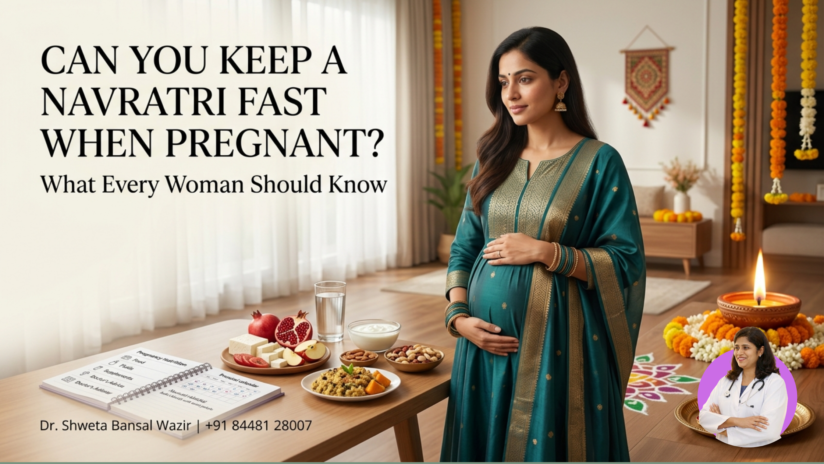
Navratri is a deeply meaningful festival for many Indian families, and fasting is an important part of the tradition for many women. But pregnancy changes the way the body needs food, fluids and nutrients. So if you are pregnant during Navratri, it is natural to wonder: Can you keep a Navratri fast when pregnant?
There is no universal answer. Whether fasting is appropriate depends on your pregnancy, overall health, trimester, nutritional status and what you mean by “fasting.” Avoiding certain foods while continuing to eat nutritious meals and drink enough fluids is very different from going for long periods without food or water.
Before deciding to fast, discuss your planned fasting routine with your obstetrician.
Can You Keep a Navratri Fast When Pregnant?
Medical research specifically on Navratri fasting during pregnancy is limited. Most research available on religious fasting during pregnancy concerns Ramadan, which follows a different fasting pattern and should not be considered identical to Navratri fasting.
A recent umbrella review found that there is not enough high-quality evidence to establish firm recommendations about fasting during pregnancy. It found little evidence that Ramadan fasting increases preterm birth or low birth weight, but also emphasized important limitations and the need for better research.
An earlier systematic review similarly concluded that evidence was insufficient to confidently rule out possible effects on pregnancy and newborn outcomes.
This means a pregnant woman should not assume that a particular fasting routine is automatically safe simply because another woman followed it during pregnancy.
Why Pregnancy Changes the Way You Should Think About Fasting
Pregnancy increases the body’s need for several nutrients. Indian dietary guidance from the ICMR-National Institute of Nutrition recommends a balanced and varied diet during pregnancy and highlights increased requirements for energy, protein and several micronutrients. It also recommends additional iron and folic acid during pregnancy.
If fasting causes you to eat significantly less than usual, skip important food groups or become dehydrated, it may become difficult to meet these needs.
For example, eating only fruit and tea throughout the day may satisfy a religious fasting rule but provide insufficient protein and dietary variety. Similarly, eating mostly fried fasting foods may provide plenty of calories without providing a balanced range of nutrients.
The aim should therefore be safe and adequate nutrition within your religious practice, rather than simply completing the strictest possible fast.
Can You Fast in the First Trimester?
The first trimester can be particularly challenging for women experiencing nausea, vomiting, food aversions or reduced appetite.
If you are already struggling to eat or drink enough, a restrictive fast may make it harder to maintain adequate nutrition and hydration.
This does not mean every pregnant woman in the first trimester must follow the same rule. Your symptoms, weight, hydration and overall health should be considered individually.
If you are experiencing frequent vomiting, dizziness or difficulty keeping fluids down, speak to your doctor rather than trying to continue fasting.
What About Navratri Fasting in the Second and Third Trimester?
As pregnancy progresses, nutritional requirements continue to change. The ICMR-NIN dietary guidelines note additional energy requirements from the second trimester onwards and increased protein requirements during the second and third trimesters.
A woman who is otherwise healthy may sometimes be able to follow a modified fasting diet, depending on her doctor’s advice and religious practice.
The important point is to avoid long periods of inadequate food intake. Meals should contain suitable sources of protein, carbohydrates, vegetables or fruit, and healthy fats wherever permitted.
In the third trimester, your doctor may also consider your baby’s growth, your weight gain, blood pressure and other pregnancy factors when advising you about fasting.
What Can You Eat During a Navratri Fast?
If your obstetrician agrees that a modified fast is suitable, choose foods that provide useful nutrition rather than relying mainly on traditional fried snacks.
Depending on your personal fasting rules, options may include:
- Milk and curd
- Paneer
- Fruits
- Permitted vegetables
- Nuts and seeds
- Kuttu
- Rajgira
- Potatoes or sweet potatoes
- Other nutritious foods permitted by your religious practice
Try to combine foods rather than eating one food repeatedly.
For example, fruit with curd and a small portion of nuts can provide more nutritional variety than fruit alone. A home-cooked kuttu meal with vegetables and curd may also be more balanced than repeatedly eating deep-fried fasting snacks.
A healthy pregnancy diet should contain a variety of foods to provide the nutrients needed by both mother and baby.
Hydration During Navratri Fasting in Pregnancy
Do not overlook hydration during pregnancy.
If your Navratri fast permits water and other fluids, drink regularly throughout the day. Avoid waiting until you become very thirsty.
Women experiencing vomiting or nausea may already be at greater risk of inadequate fluid intake. If you cannot keep fluids down, fasting should not take priority over getting appropriate medical care.
Persistent dizziness, fainting, marked weakness, very reduced urination or difficulty keeping fluids down should not simply be dismissed as normal pregnancy symptoms.
Which Pregnant Women Should Be Especially Careful?
Some women need individualized medical advice before attempting any restrictive fast.
This may include women with:
- Significant nausea or vomiting
- Dehydration
- Anaemia
- Diabetes or problems with blood glucose
- Poor pregnancy weight gain
- Concerns about the baby’s growth
- Certain high-risk pregnancy conditions
- A medical condition requiring regular food or fluids
- Medicines that need to be taken with food or at specific times
If you have been prescribed iron, folic acid, calcium or another pregnancy supplement, do not stop it simply because you are fasting. Discuss the timing and continuation of your medicines and supplements with your doctor. ICMR-NIN specifically notes the importance of additional iron and folic acid during pregnancy.
When Should You Break Your Navratri Fast?
Your health should take priority if your body is telling you that something is wrong.
Stop fasting and contact your healthcare provider if you develop persistent dizziness, fainting, severe weakness, repeated vomiting, difficulty drinking fluids, markedly reduced urination, severe abdominal pain or another concerning pregnancy symptom.
You should also seek urgent pregnancy care for symptoms such as vaginal bleeding, leaking fluid, severe abdominal pain or reduced fetal movements later in pregnancy.
Completing a religious fast should never mean ignoring significant medical symptoms.
Can You Modify Your Navratri Fast During Pregnancy?
For many women, the practical question may not need to be simply “fast or don’t fast.”
A modified fasting routine may be discussed with the obstetrician. This could mean avoiding specific foods required by the religious tradition while continuing regular nutritious meals and adequate fluids.
The exact approach should depend on your health and the type of fast you follow.
It is also important to remember that fasting research cannot automatically be transferred from one religious practice to another. Ramadan studies involve specific periods of complete food and fluid abstinence, while Navratri fasting practices vary considerably between families and regions.
Final Thoughts: What Every Pregnant Woman Should Know
Can you keep a Navratri fast when pregnant? Sometimes a modified fast may be possible for an otherwise healthy woman, but pregnancy is not the time to follow a restrictive fasting routine without considering your individual nutritional and medical needs.
The available scientific evidence on fasting during pregnancy remains limited, and there is no universal evidence-based fasting plan for every pregnant woman.
If you wish to observe Navratri fasting, speak with your obstetrician before the festival. Discuss the exact foods you plan to eat, whether you will drink water, how long you intend to fast and any medical conditions or pregnancy symptoms you have.
A thoughtful adjustment to your fasting practice can help you respect your religious traditions while keeping maternal nutrition, hydration and pregnancy health at the centre of your decisions.
For personalised pregnancy and obstetric guidance, consult Dr. Shweta Bansal Wazir.
Dr. Shweta Bansal Wazir
MBBS, DGO, MD (Obs & Gyn), MRCOG (UK)
Obstetrician & Gynaecologist
Phone: +91 84481 28007
Website: www.drshwetawazir.com



Leave A Comment