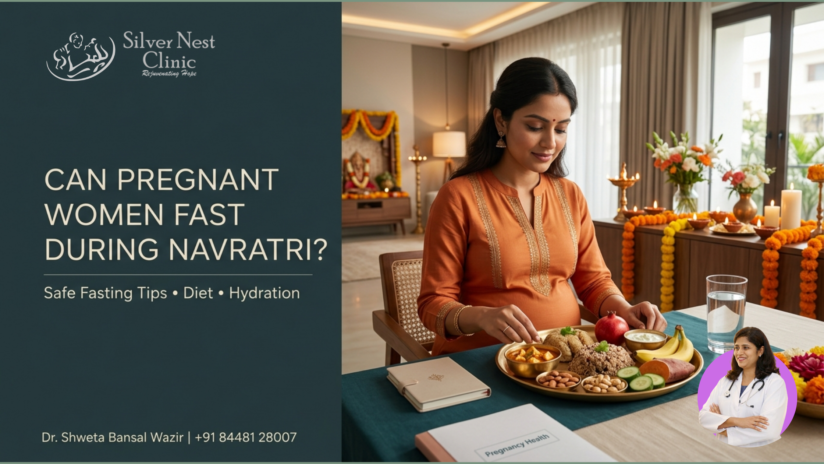
Navratri is an important festival for many Indian families, and fasting is often an integral part of the celebrations. But pregnancy is also a time when a woman’s nutritional, fluid and energy requirements change. This naturally raises an important question: Can pregnant women fast during Navratri?
The answer is not the same for every woman. Pregnancy, trimester, existing health conditions, nutritional status and the type of fast all matter. A religious fast that involves avoiding certain foods may be manageable for some women, while prolonged fasting or significantly restricting food and fluids may not be appropriate during pregnancy.
The safest approach is to discuss your individual pregnancy with your obstetrician before deciding to fast.
Can Pregnant Women Fast During Navratri?
There is limited and inconsistent evidence about fasting during pregnancy. Research on Ramadan fasting, which involves a different fasting pattern from many Navratri practices, has not established one universal effect on pregnancy outcomes. Reviews have found that the available evidence is limited by differences in fasting duration, diet, climate, maternal health and study design.
For this reason, pregnancy should not be treated like an ordinary fasting situation.
During pregnancy, the body continuously supplies nutrients and energy to support the growing baby. A pregnant woman also needs adequate protein, carbohydrates, iron, folate, calcium and other nutrients. Indian dietary guidance recommends a varied diet during pregnancy and highlights the increased need for energy, protein and micronutrients.
If your Navratri fast means simply avoiding particular foods while continuing to eat balanced meals and drink enough fluids, your doctor may advise differently from someone planning a prolonged fast with very little food or water.
Why Fasting During Pregnancy Can Cause Problems
Pregnancy can make some women more vulnerable to weakness, nausea, dizziness and dehydration. These symptoms can become more noticeable when meals are skipped for long periods.
For example, a woman who eats only fruit and tea throughout the day may unintentionally consume too little protein and energy. Another woman may rely heavily on fried fasting foods such as sabudana preparations, kuttu puri or potato-based snacks and miss out on a balanced intake of vegetables, dairy, nuts and other nutrient-rich foods.
Fluid restriction can be another concern. Pregnancy increases the importance of maintaining adequate hydration, and dehydration may cause symptoms such as tiredness, dizziness, dark urine and reduced urination.
Women experiencing significant pregnancy vomiting need particular caution because they may already struggle to maintain adequate fluid and nutritional intake. Severe vomiting can lead to dehydration and nutritional deficiencies and may require medical treatment.
Navratri Fasting Diet for Pregnant Women
If your obstetrician agrees that a modified fast is appropriate, the focus should be on nutrition rather than simply avoiding regular food.
Choose naturally nutritious foods commonly used during Navratri, such as:
- Milk, curd and paneer for protein and calcium
- Nuts and seeds in sensible portions
- Fruits and vegetables for fibre, vitamins and minerals
- Potatoes or sweet potatoes as an energy source
- Kuttu, rajgira or other permitted whole-food options according to your fasting practice
- Legumes or pulses if your personal fasting rules allow them
Try to combine carbohydrates with a protein or dairy source rather than eating mostly fruit, potatoes or fried snacks.
For example, fruit with unsweetened curd and a small portion of nuts can be more balanced than repeatedly eating sugary foods. Similarly, a home-cooked kuttu preparation with curd and vegetables can provide more nutritional variety than deep-fried fasting snacks.
Indian pregnancy nutrition guidance also recommends varied foods, vegetables, fruits, whole grains or other nutritious carbohydrate sources and adequate protein, along with prescribed iron, folate and calcium supplementation when advised.
How to Stay Hydrated During Navratri Fasting
Hydration during pregnancy should never be overlooked.
If your fast permits fluids, drink water regularly rather than waiting until you feel extremely thirsty. Depending on your medical condition, your doctor may also recommend other suitable fluids.
Buttermilk, milk and other appropriate low-sugar drinks can contribute to fluid intake. Avoid depending heavily on sugary drinks or excessive caffeine.
Pregnant women should also remember that there is no benefit in deliberately drinking very large quantities at once. Regular intake throughout permitted hours is generally more practical.
If you notice very dark urine, markedly reduced urination, persistent dizziness, severe weakness or difficulty keeping fluids down, stop fasting and seek medical advice.
Who Should Avoid Fasting During Pregnancy?
Extra caution is required if you have pregnancy-related complications or nutritional concerns. Your obstetrician may advise against fasting if you have significant vomiting, dehydration, anaemia, diabetes, poor weight gain, certain high-risk pregnancy conditions or another medical reason requiring regular food, fluids or medication.
Do not stop prescribed pregnancy medicines or supplements simply because you are fasting. Ask your doctor how and when they should be taken.
Pregnancy is also not the time to start a restrictive diet for weight loss. The goal is adequate nutrition for both mother and baby, not calorie restriction.
When Should a Pregnant Woman Break Her Navratri Fast?
Your health should come first. If fasting is followed by persistent dizziness, fainting, severe weakness, repeated vomiting, inability to drink fluids, very dark or markedly reduced urine, abdominal pain or other concerning symptoms, seek medical advice promptly.
You should not feel that you have to continue a fast despite significant physical symptoms.
Final Thoughts: A Safe Navratri During Pregnancy
For a pregnant woman, Navratri fasting should be approached individually rather than as a one-size-fits-all practice. A modified fast with adequate nutrition and hydration may be very different from prolonged food or fluid restriction.
Before Navratri begins, discuss your fasting plan with your obstetrician. Together, you can consider your trimester, pregnancy health, medical history, nutritional requirements and the exact type of fast you intend to observe.
A healthy Navratri is not about how strictly you can fast. During pregnancy, it is about respecting your faith while also protecting your health and supporting your growing baby.
For personalised pregnancy and obstetric care, consult Dr. Shweta Bansal Wazir.
Dr. Shweta Bansal Wazir
MBBS, DGO, MD (Obs & Gyn), MRCOG (UK)
Obstetrician & Gynaecologist
Phone: +91 84481 28007



Leave A Comment